Athletic Performance Testing in Altona North: Force, Speed, Agility & Reaction Explained
By Matt Elphick, Fortify Fitness
Athletic performance testing has become a cornerstone for athletes striving to enhance their capabilities and achieve their peak potential. In Altona North, understanding the various aspects of performance testing—such as force, speed, agility, and reaction time—can provide athletes and trainers with crucial insights into their training programs. This article will explore the methodologies behind these testing methods and how they contribute to improved athletic performance, specifically focusing on force plate analysis, speed testing protocols, agility assessments, and the importance of reaction time. Through this guide, athletes can identify key strategies to elevate their training. By the end of this read, you will have a comprehensive overview of how each component works, the benefits they offer, and where to access professional athletic performance testing services in Altona North. For those seeking to elevate their training and understand their physical capabilities better, exploring group personal training in Altona North can provide structured and expert guidance.
What Is Force Plate Testing and How Does It Enhance Athletic Performance?
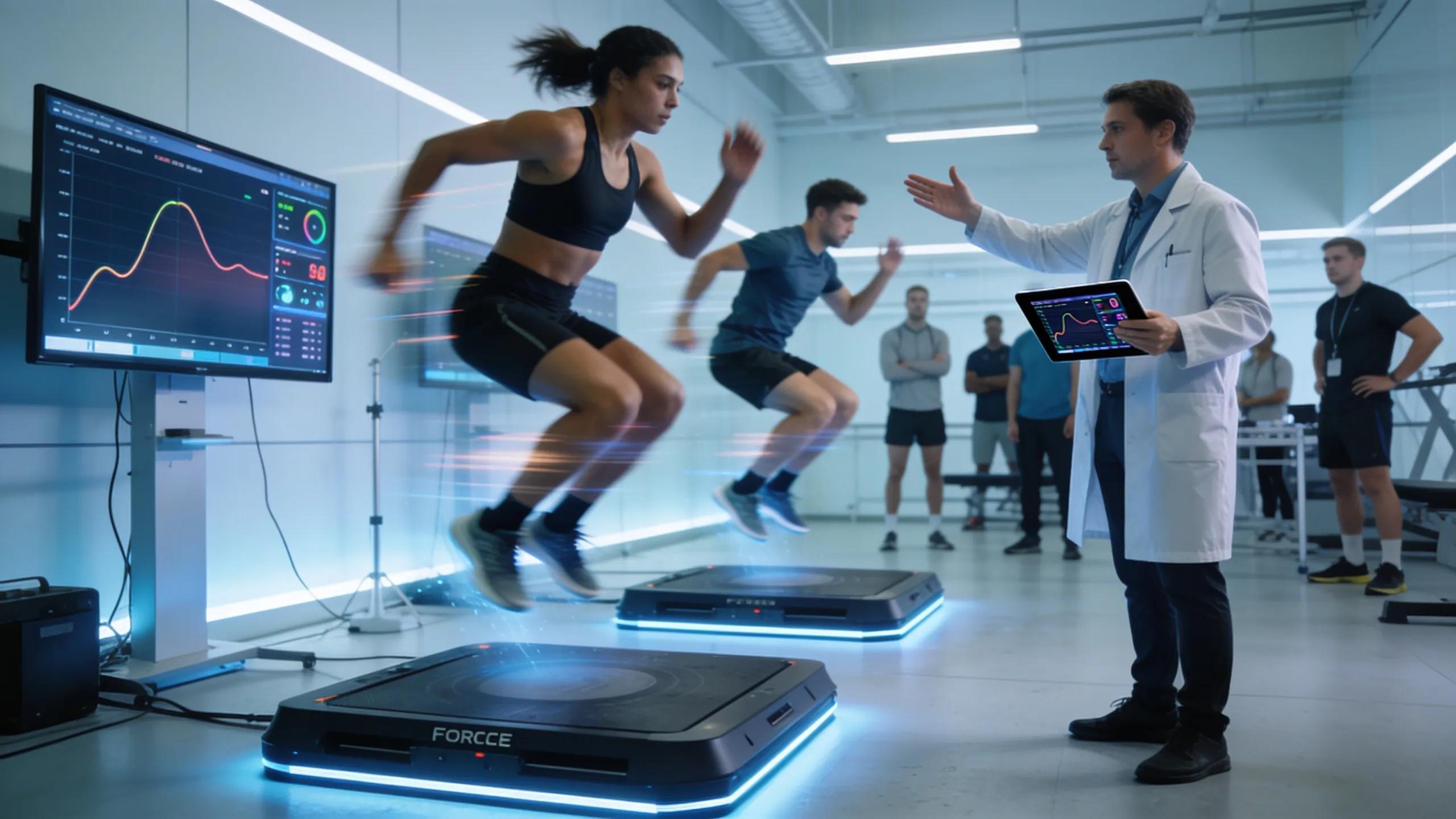
Force plate testing is a sophisticated methodology employed in athletic performance assessments that measures an athlete's force generation during various movements. The technology involves sensors built into a platform that quantify the force exerted by an athlete in real-time. This data reveals critical insights into an athlete’s balance, strength, and explosive power, ultimately helping to enhance their performance through data-driven training adjustments.
How Does Force Plate Analysis Measure Force Generation?
Force plate analysis works by capturing the ground reaction forces that occur when an athlete interacts with the platform. This method provides valuable metrics such as peak force, force production rate, and time to peak force, all of which are vital for understanding an athlete’s explosive power and overall biomechanics. For instance, during a vertical jump test, the force plate can measure how much force is generated and how efficiently the athlete can utilize their strength, allowing coaches to tailor customised training programs based on this analysis.
What Are the Benefits of Using Force Plate Testing in Personalized Training?
Utilizing force plate testing in personalized training presents several advantages:
- Enhanced Performance Metrics: It provides accurate measurements that help track an athlete’s progress over time.
- Tailored Training Programs: Based on individual data, coaches can create specific regimens that focus on areas needing improvement.
- Injury Prevention: Identifying imbalances or weaknesses can significantly reduce the risk of injuries, ensuring a safer training environment.
For those looking to leverage these testing capabilities, Fortify Personal Training offers personalized consultation and assessment services tailored to optimise athletic performance.
Which Speed Testing Methods Are Most Effective in Athletic Performance Assessment?
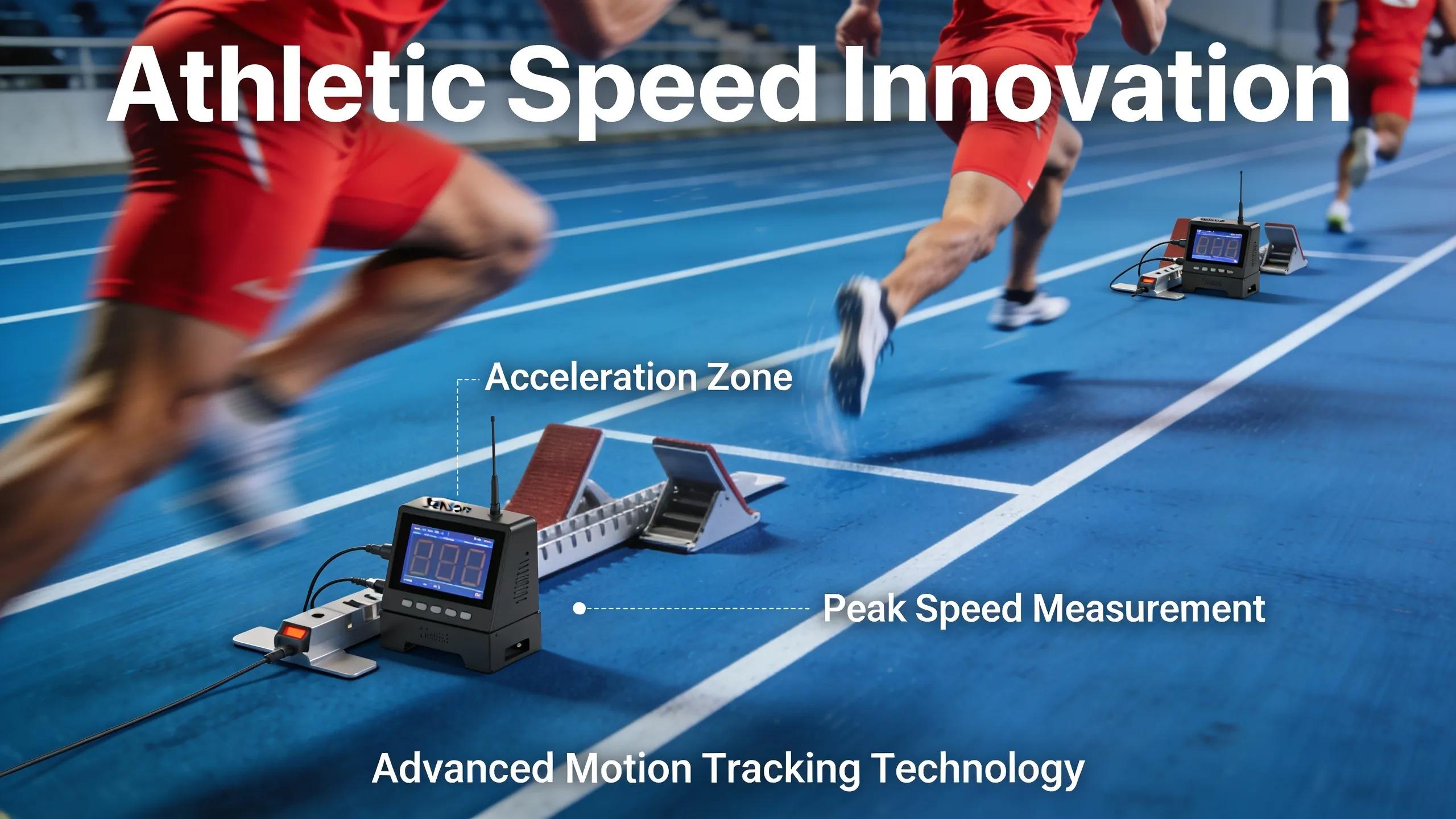
Speed testing measures an athlete's sprinting velocity and ability to cover a given distance in the shortest amount of time. Methods such as timed sprints, acceleration tests, and agility runs are critical in establishing a baseline for athletes to improve upon. These tests help athletes understand their current speed capabilities and create benchmarks for improvement. Understanding these foundational elements is key to developing a comprehensive training regimen, and Axit Assessment services can provide detailed insights into an athlete's speed and agility.
How Is Sprint Velocity Assessed in Speed Testing?
Sprint velocity is typically assessed using electronic timing gates or hand-held timers during 30-meter to 100-meter sprints. Acceleration points, peak speed, and the athlete's overall sprint mechanics are analysed to provide comprehensive feedback. This data enables athletes to refine their technique and track performance gains over time.
Why Is Speed Testing Important for Different Athlete Profiles?
Speed testing is vital for diverse athlete profiles as each sport requires a different speed threshold for optimal performance. For example, sprinters require explosive acceleration, while team sports athletes may need sustained speed endurance. This understanding allows for the development of specific training protocols that address these varying demands.
How Do Agility Drills and Assessments Improve Athletic Movement and Reaction?
Agility drills and assessments play a crucial role in enhancing athletic movement and reaction times. These exercises focus on an athlete's ability to change direction quickly and efficiently while maintaining control and balance. Various drills can help refine these skills, which are essential in nearly all sports.
What Is Evaluated During Agility Testing and Functional Movement Screening?
During agility testing, assessments focus on an athlete's ability to navigate through various courses while performing specific tasks, such as cutting, jumping, or sprinting. This may include the T-test or Illinois Agility Test, which evaluates both speed and agility. Coupled with functional movement screenings, these tests assess mobility, stability, and motor control, ensuring a comprehensive understanding of an athlete’s functional capabilities.
What Are Examples of Effective Agility Drills for Athlete Development?
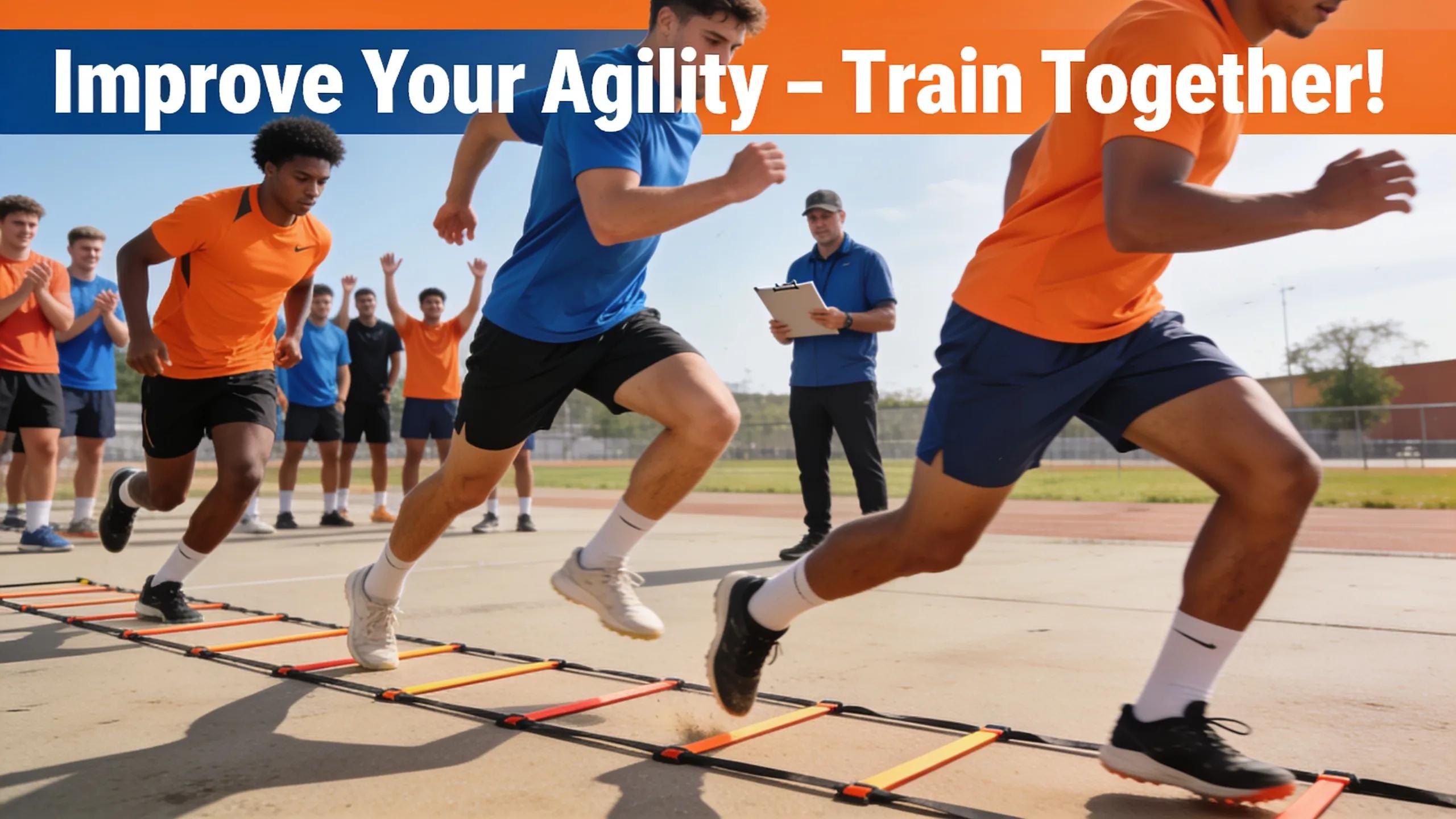
Effective agility drills encompass a variety of movements aimed at improving athletic performance. Examples include:
- Ladder Drills: Enhance foot speed and coordination through quick steps in and out of rungs.
- Cone Drills: Focus on sharp cutting and changing directions efficiently.
- Zigzag Runs: Improve overall agility and speed by navigating through a defined course.
Incorporating these drills into a training routine can lead to significant improvements in an athlete’s agility and performance.
How Does Reaction Time Training Enhance Neural Processing and Sports Performance?
The importance of reaction time in sports cannot be overstated, as it directly affects an athlete’s ability to respond efficiently to game situations. Reaction time training focuses on enhancing an athlete's neural processing capabilities, allowing them to make split-second decisions and movements during competitions. To complement advanced physical metrics, understanding one's physical composition is also vital, and body scan Altona North services can offer key insights.
What Methods Are Used to Measure and Improve Reaction Time?
Methods to measure reaction time often involve electronic reaction timers or visual cues that require the athlete to respond by starting a stopwatch or stopping a light. Training methods may include reflex drills, multi-directional sprints, and cognitive exercises that focus on decision-making speed. These techniques aim to improve both the speed and accuracy of an athlete’s responses.
Why Is Reaction Time Critical for Injury Prevention and Competitive Success?
Improving reaction time not only boosts competitive success but also plays a significant role in injury prevention. Research indicates that athletes with quicker reaction times can better adjust their movements to avoid potential injuries. By developing this critical skill, athletes can enhance their performance while minimising the risk of injury.
What Personalized Training Programs Are Developed from Athletic Performance Testing?
Personalized training programs are a direct result of data gathered from various athletic performance assessments. These custom plans leverage insights from testing to optimise training, catering to the unique needs of each athlete.
How Do Body Composition Scans Support Force and Speed Improvements?
Body composition scans provide essential information regarding an athlete's body fat percentage and lean muscle mass. This information is crucial for designing training programs focused on improving strength, speed, and overall athletic performance. Coaches can adjust workout regimens to enhance lean muscle gains while minimising excess body fat.
How Are Test Results Integrated Into Customised Coaching Plans?
The integration of test results into coaching requires a strategic approach where coaches analyse data from force, speed, agility, and reaction time assessments. Feedback loops must be established, allowing athletes to monitor their progress and adjust their workout programs based on real-time results. This iterative process ensures continual improvement and adaptation as athletes evolve.
Where Can Clients Access Professional Athletic Performance Testing in Altona North?
For athletes desiring comprehensive performance testing, access to professional services is essential. Altona North offers several facilities where athletes can benefit from advanced assessments tailored to their specific needs. Engaging with professionals can ensure your training is aligned with your goals; you can learn more about their service offerings and contact them to discuss your needs.
What Services Does Fortify Personal Training Provide in Performance Testing?
Fortify Personal Training provides a range of services including force plate testing, speed testing protocols, and agility assessments. Each service is designed to provide athletes with the insights necessary to enhance their performance. Utilizing state-of-the-art equipment, Fortify ensures that athletes receive precise and actionable feedback.
How Do Performance Testing Centres in Melbourne Compare for Athlete Evaluation?
While there are several performance testing centres throughout Melbourne, Fortify distinguishes itself through its personalized approach and advanced technologies. Many centres offer generic assessments, but Fortify focuses on customising each program based on athlete-specific data. This ensures that each individual receives training that is not only effective but also tailored to their unique athletic goals. Various fees are associated with these specialized services, and it's advisable to consult directly for detailed information.