Body Composition Scans (BIA): How to Track Real Progress Beyond the Scales
By Matt Elphick, Fortify Fitness
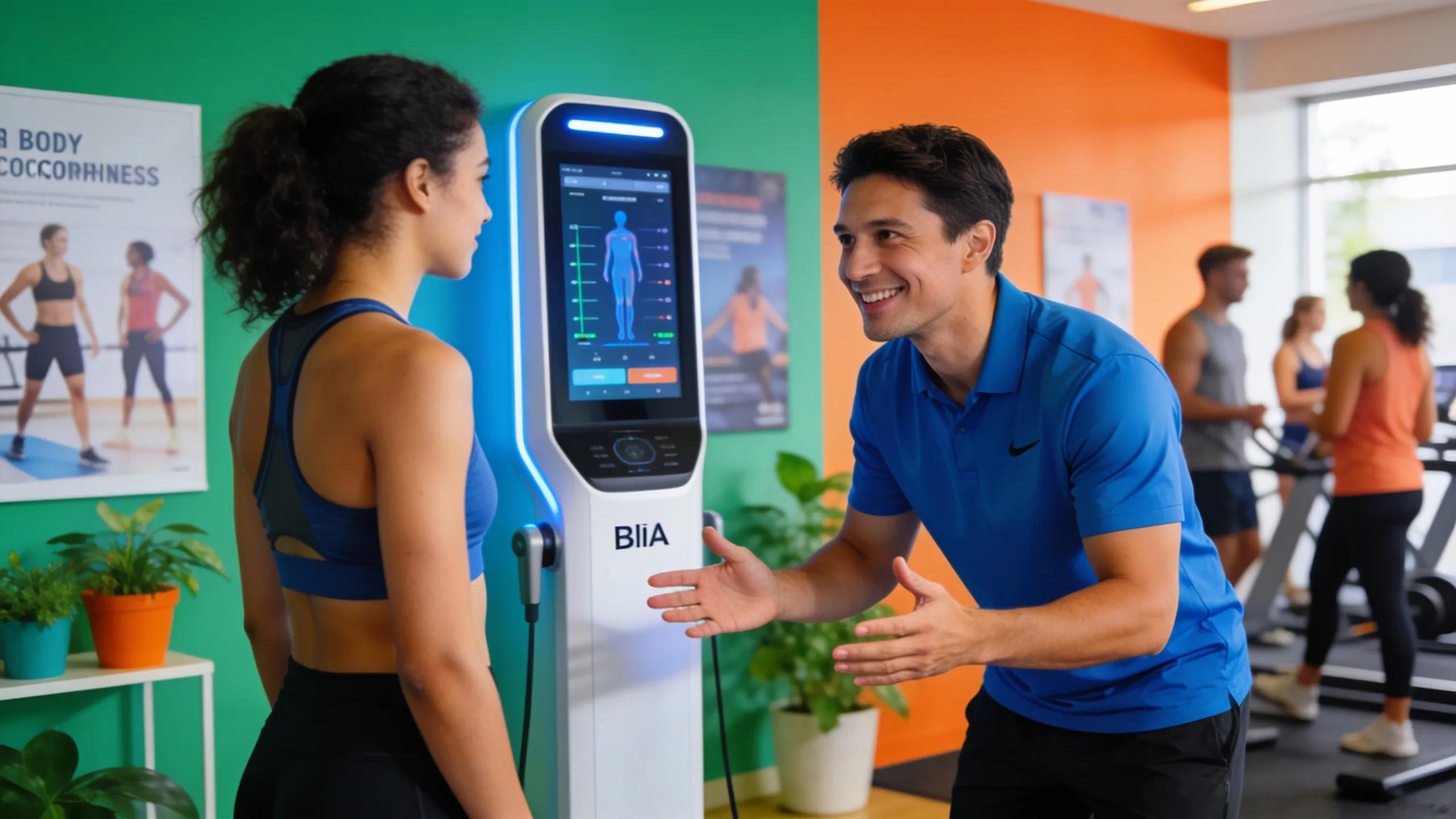
In the realm of fitness and health, simply relying on scales to track progress can be misleading. Body Composition Scans, particularly those using Bioelectrical Impedance Analysis (BIA), offer a sophisticated approach to assessing one's health metrics beyond just weight. This article explores how BIA technology works, how to interpret its results, and its advantages compared to traditional weight measurement. Many individuals struggle to understand the nuances of their health, particularly when it comes to distinguishing fat loss from muscle gain. BIA scans serve as a reliable solution, enabling healthier lifestyle choices backed by comprehensive data. We will delve into the mechanics of BIA, what metrics it measures, the benefits it offers, and where you can get a scan in Altona North.
Technology Behind BIA
Bioelectrical Impedance Analysis (BIA) is a technology that measures body composition by sending a low-level electrical current through the body. The resistance encountered by the electrical signals helps determine various health metrics, such as body fat percentage, muscle mass, and hydration levels. This technology relies on the fact that different tissues conduct electricity at different rates, allowing for accurate estimations of body composition. BIA has gained popularity because it is quick, non-invasive, and provides useful data for assessing overall health.
What is Bioelectrical Impedance Analysis and How Does It Work?
Bioelectrical Impedance Analysis operates on the principle of electrical resistance, measuring how body tissues impede the flow of electricity. Fat tissue, which contains less water than lean muscle, offers more resistance. Therefore, by analysing the impedance to the electrical current, BIA devices can accurately estimate body fat percentage and lean muscle mass.
How Does Bioelectrical Impedance Measure Body Composition?
The device used for BIA typically consists of electrodes placed on the skin, which can be found on the hands and feet. The electric current travels through the body, with the data collected revealing the ratios of fat and muscle. By utilizing the resistance, BIA can offer insights into hydration levels and metabolic health, making it a versatile tool for health assessments and fitness planning.
What Body Composition Metrics Are Measured by a BIA Scan?
BIA scans provide several key body composition metrics:
| Metric | Description | Value Range |
|---|---|---|
| Body Fat Percentage | Proportion of fat in the body | 10% - 30% for adults |
| Lean Muscle Mass | Total muscle mass excluding fat | Varies by age and gender |
| Hydration Level | Fluid balance in the body | Varies, typically around 45% - 65% hydration |
| Visceral Fat Rating | Fat surrounding organs in the abdomen | Should be below 13 |
These metrics empower users to track their progress and make informed health decisions.
How Can You Accurately Interpret Your Body Composition Results?

Interpreting BIA results involves understanding the numbers in context. A higher body fat percentage can indicate a need for lifestyle adjustments, while an increase in muscle mass suggests effective training. It is crucial to consult with a professional to interpret results accurately. This expert interpretation aids in setting realistic goals and ensures the data collected enhances personal fitness plans.
Interpreting Results
Understanding what each metric means is vital to effectively utilizing BIA scans. A clear evaluation of body fat percentage, lean muscle mass, and hydration levels provides a broader perspective on health than traditional weight measures alone. Interpreting these components involves comparing them against personal health goals and industry standards, which can differ based on age, gender, and fitness level.
BIA scans also take into account factors such as hydration status or recent physical activity, enabling individuals to obtain a comprehensive view of their health. For example, athletes may have a higher muscle mass compared to average individuals, impacting their BIA readings.
BIA Sensitivity to Hydration in Athletes
The method of bioelectrical impedance (BIA) is frequently used to estimate body composition in sports. The total body water (TBW) is the basic variable that BIA measures. That implies the degree of sensitivity of BIA to the hydration of the organism, which is also demonstrated by the principles of measurement that primarily relate to the hydration of the organism. The effect of intake of water on the final values of body composition parameters in active athletes using two different bioimpedance analyzers, 2014
When it comes to personalizing fitness and nutrition plans, knowing how to navigate and interpret BIA data becomes crucial. This data can inform specific dietary needs, highlight areas for improvement, and monitor changes in physical health effectively.
Benefits of BIA Scans Compared to Traditional Weight Measurement
BIA scans present numerous advantages over conventional weight measurements, offering a more detailed picture of health.
- Comprehensive Insights: Unlike standard scales, BIA scans provide detailed metrics, including body fat percentage and muscle mass, to give a clearer view of progress.
- Motivation through Regular Assessment: Regular scans can help maintain motivation since they provide tangible evidence of improvements that may not be visible through weight alone.
- Personalized Action Plans: By analysing the results from BIA scans, tailored fitness and nutrition strategies can be developed, leading to more effective health management.
For those seeking high-quality guidance along this journey, Fortify Personal Training offers personalized coaching, integrating BIA data into actionable fitness plans to optimise outcomes.
How Does Metabolic Rate Testing Enhance Fitness Planning?
Metabolic rate testing often complements BIA scans by measuring how many calories the body burns at rest. Understanding one's metabolic rate allows for better management of caloric intake and can enhance weight management strategies. Combining BIA with metabolic rate testing can highlight potential metabolic issues or provide insights into how to achieve specific fitness objectives effectively.
What Are the Benefits of Using BIA Scans for Personalized Fitness and Recovery?
BIA scans can adjust training regimens based on individual composition. They allow coaches and trainers to design workouts that specifically focus on enhancing muscle gain, fat loss, or recovery strategies based on an individual’s unique body composition metrics. This tailored approach ensures that every client receives the most effective plan for their goals.
How Does BIA Support Fat Loss, Muscle Gain, and Injury Recovery?
One of the primary advantages of BIA is its ability to support diverse goals, whether it's fat loss, muscle gain, or injury recovery. The data derived from a BIA scan can illustrate changes in body composition over time, allowing for modifications to training programs as needed. Moreover, with ongoing assessments, detecting potential setbacks or plateaus becomes easier, enabling timely adjustments to training.
How Often Should You Schedule Body Composition Scans for Best Results?
Scheduling regular body composition scans is crucial for tracking progress over time. Typically, it is recommended to undergo BIA scans once every 4-6 weeks to ensure enough time has passed to achieve tangible changes. This frequency helps capture trends and effectively evaluate the success of fitness plans and nutritional strategies.
What Is the Recommended Frequency for Tracking Progress with BIA?
For individuals committed to significant changes in body composition, consulting with a fitness professional can aid in customising the frequency of BIA scans. Frequent assessments can pinpoint areas of improvement while offering motivation and accountability in the fitness journey.
How Does Hydration Affect BIA Scan Accuracy and What Are Best Practices?
Maintaining consistent hydration is paramount to accurate BIA readings, as variations in body water can skew results. Additionally, consider how fluctuations in hydration can introduce variability into BIA measurements, affecting the reliability of body composition assessments.
Hydration, Ions, and Bioelectrical Impedance
The purpose of this study was to determine how differences in hydration states and ion content of hydrating fluids affected bioelectrical impedance (BI) and hydrostatic weighing (HW) measurements.
Effects of hydration changes on bioelectrical impedance in endurance trained individuals, CE Broeder, 1998
To achieve the most reliable readings, it is recommended to avoid heavy meals, intense exercise, or dehydration before a scan. Following hydration best practices is essential for minimising variability in results.
Hydration's Impact on BIA Accuracy
The present study was performed to determine how equilibrated fluctuations in hydration affected the validity of bioelectrical impedance analysis (BIA) for body composition assessment. Effect of equilibrated hydration changes on total body water estimates by bioelectrical impedance analysis, 2004
What Are Real Client Success Stories Using BIA Scans at Fortify Personal Training?
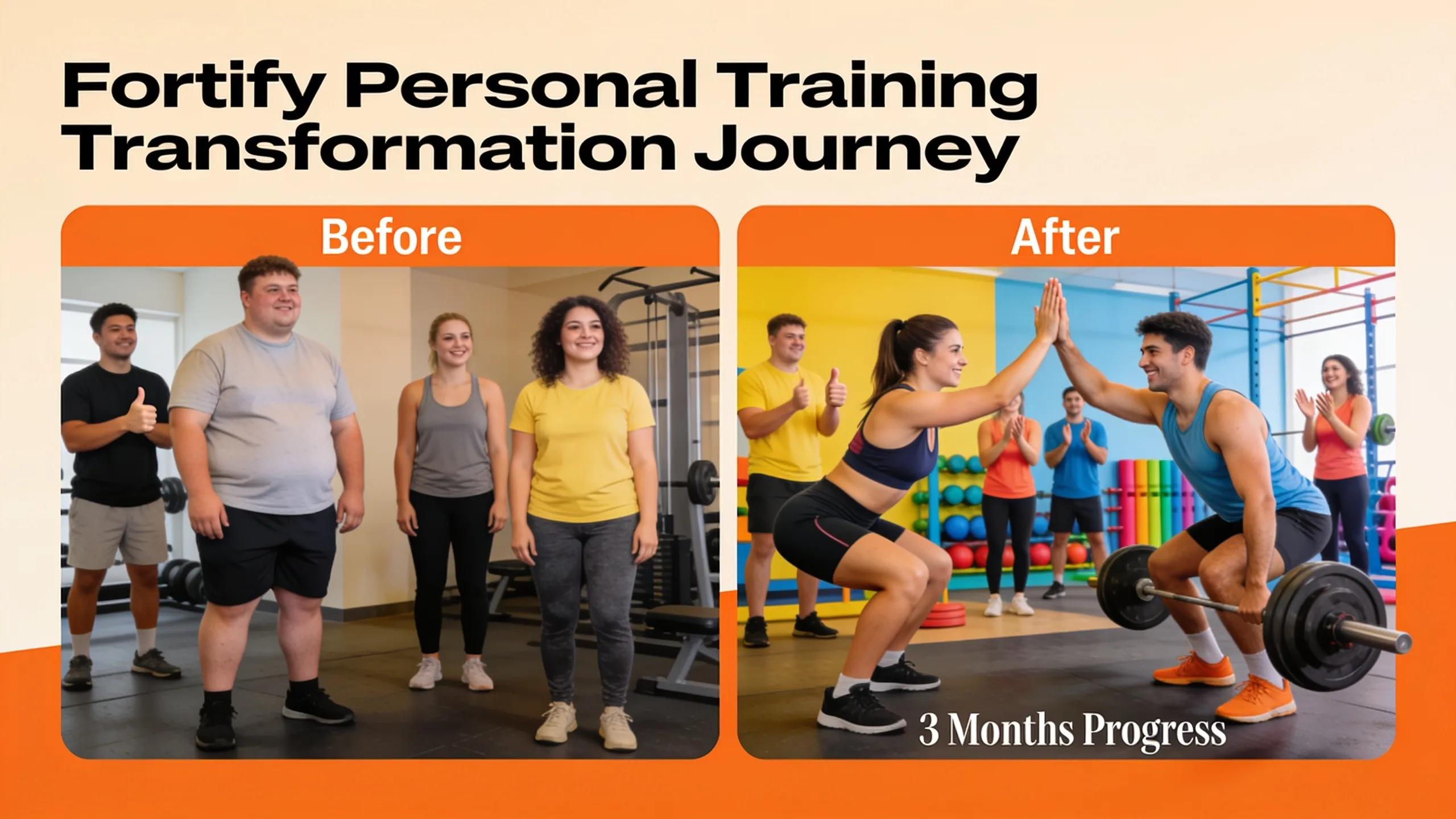
At Fortify Personal Training, numerous clients have experienced remarkable transformations through BIA-guided coaching. By leveraging BIA data, clients have effectively lost fat while preserving muscle mass. Their personal training programs are now better aligned with their health goals, illustrating the power of combining technology with tailored fitness guidance.
How Have Clients Improved Their Fitness with BIA-Guided Coaching?
The integration of BIA into training programs has allowed clients to see measurable results. Many have expressed satisfaction with how tracking their body composition has motivated them to stick with their fitness journeys. It's not merely about weight loss; it’s about improving body composition and overall health.
What Do Clients Say About Their Experience with Body Composition Scans?
Clients report feeling empowered by the insights gained from BIA scans. They appreciate seeing the tangible impact of their hard work, feeling more driven to maintain or enhance their fitness commitments. BIA scans have become a pivotal part of their overall wellness strategy.
Where Can You Book a Body Composition Scan in Altona North and Learn More?
Individuals looking to enhance their fitness journey can easily book a body composition scan with qualified professionals in Altona North. Fortify Personal Training offers comprehensive services and personalized coaching to effectively integrate BIA findings into actionable fitness strategies.
How Do You Book a BIA Body Scan Appointment at Fortify?
To schedule an appointment for a BIA body scan at Fortify Personal Training, interested individuals can call (03) 8383 3604 or reach out via email at info@fortifypersonaltraining.com.au. The team is dedicated to assisting clients in utilizing these advanced tools for improved health and fitness outcomes.
What Are the Pricing Options for Body Scan Services and Personal Training?
Fortify Personal Training provides various pricing options that cater to individual needs, ensuring that everyone can access these valuable health metrics. Potential clients are encouraged to inquire about specific packages to find the most suitable arrangement for their personal goals.