Exercise Scientist vs. Personal Trainer: Why the Difference Matters for Your Health
By Matt Elphick, Fortify Fitness
In the realm of fitness and health, understanding the distinctions between an exercise scientist and a personal trainer is crucial for making informed decisions about your wellness journey. While both professionals aim to enhance physical fitness, their qualifications, approaches, and implications for individual health differ significantly. This article will delve into these differences, highlighting the importance of evidence-based fitness coaching and how it can impact your health outcomes. Many individuals may not realize that the choice between these two professionals can influence not only their fitness results but also their overall health and well-being. We will explore qualifications, coaching approaches, and the implications for health, providing a comprehensive overview of how each role contributes to fitness and wellness.
Qualifications:
The qualifications of exercise scientists and personal trainers are foundational to their roles in fitness coaching. Understanding these educational backgrounds helps clients make informed choices about who to engage for their fitness needs.
What Qualifications Distinguish Exercise Scientists from Personal Trainers?
Exercise scientists typically hold advanced degrees in exercise physiology or related fields, which provide them with a deep understanding of human anatomy, physiology, and the science of exercise. They are trained to conduct research and apply scientific principles to develop effective exercise programs. In contrast, personal trainers often possess certifications that require less formal education, focusing primarily on practical training techniques and client interaction. This difference in educational depth is crucial, as it influences the type of programs each professional can design and implement.
Which certifications and training are required for Personal Trainers?
Personal trainers are generally required to obtain certifications from recognized organizations, such as the National Academy of Sports Medicine (NASM) or the American Council on Exercise (ACE). These certifications typically involve coursework in exercise science, nutrition, and client assessment, along with practical training components. While these certifications are valuable, they do not equate to the extensive academic training that exercise scientists undergo, which includes a thorough understanding of exercise prescription and rehabilitation.
Further research has explored the specific qualifications and educational backgrounds that define personal fitness trainers.
Investigating Personal Fitness Trainer Qualifications & Education
A threefold approach was utilized to analyze the problem of defining personal fitness trainers’ qualifications. Then, an original research study investigated the qualifications for Central Florida, Personal Fitness Trainers (PFTs) by examining the relationship(s) and/or differences between variables such as education, certification, years of experience and income as well as attitudes, opinions and beliefs (AOBs) regarding those variables.
Investigating personal fitness trainers' qualifications, 2014
Approaches to Evidence-Based Fitness Coaching:
Both exercise scientists and personal trainers utilize evidence-based methods in their coaching, but their approaches can vary significantly.
Exercise scientists apply scientific research to create tailored exercise programs that consider individual health conditions, fitness levels, and goals. They often use advanced assessment tools to measure physical capabilities and design programs that optimize performance and health outcomes. Personal trainers, while also focusing on client goals, may rely more on motivational techniques and practical experience to guide their clients through workouts.
Implications for Individual Health:
The implications of choosing between an exercise scientist and a personal trainer extend beyond fitness results; they can significantly impact overall health and well-being.
Exercise scientists are particularly effective in rehabilitation settings, where their knowledge of exercise physiology allows them to design safe and effective programs for individuals recovering from injuries or managing chronic conditions. Personal trainers, on the other hand, excel in providing motivation and support for general fitness goals, helping clients stay accountable and engaged in their fitness journeys.
What Are the Health and Injury Prevention Advantages of Working with Accredited Exercise Scientists?
Working with accredited exercise scientists offers several health and injury prevention advantages. Their expertise in exercise prescription allows them to create programs that minimize the risk of injury while maximizing health benefits. They are trained to recognize signs of overtraining and can adjust programs accordingly to ensure clients progress safely. This level of care is particularly beneficial for individuals with pre-existing health conditions or those new to exercise.
How do Exercise Scientists contribute to injury rehabilitation and prevention?
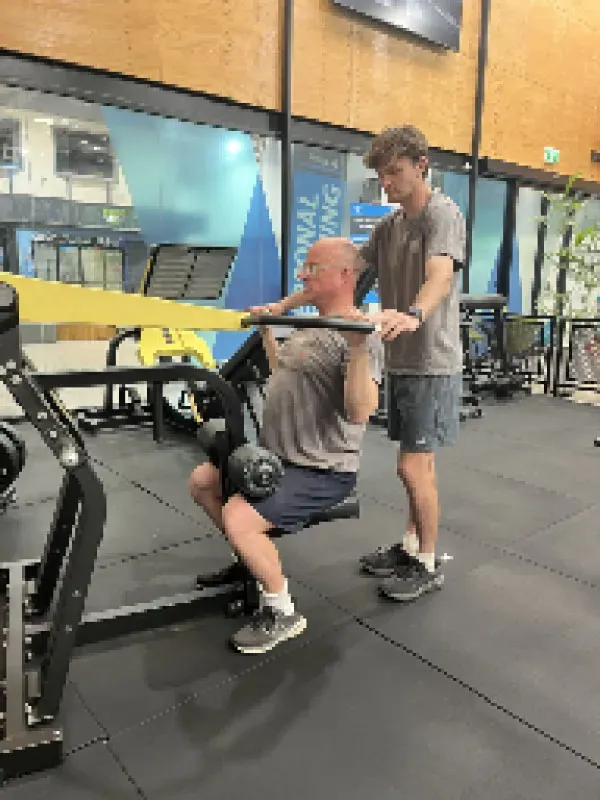
Exercise scientists play a vital role in injury rehabilitation by designing programs that facilitate recovery while preventing further injury. They utilize their knowledge of biomechanics and physiology to create rehabilitation protocols that are both effective and safe. This expertise is essential for clients recovering from surgeries or injuries, as it ensures that they regain strength and mobility without exacerbating their conditions.
In what ways do Personal Trainers support safe and effective exercise practices?
Personal trainers support safe and effective exercise practices by providing guidance on proper technique and form during workouts. They help clients understand how to perform exercises correctly, reducing the risk of injury. Additionally, personal trainers often create varied workout routines that keep clients engaged and motivated, which is crucial for long-term adherence to fitness programs.
Personalized Fitness Programs:
The personalization of fitness programs is a key differentiator between exercise scientists and personal trainers.
How Do Personalized Fitness Programs Differ Between Exercise Scientists and Personal Trainers?
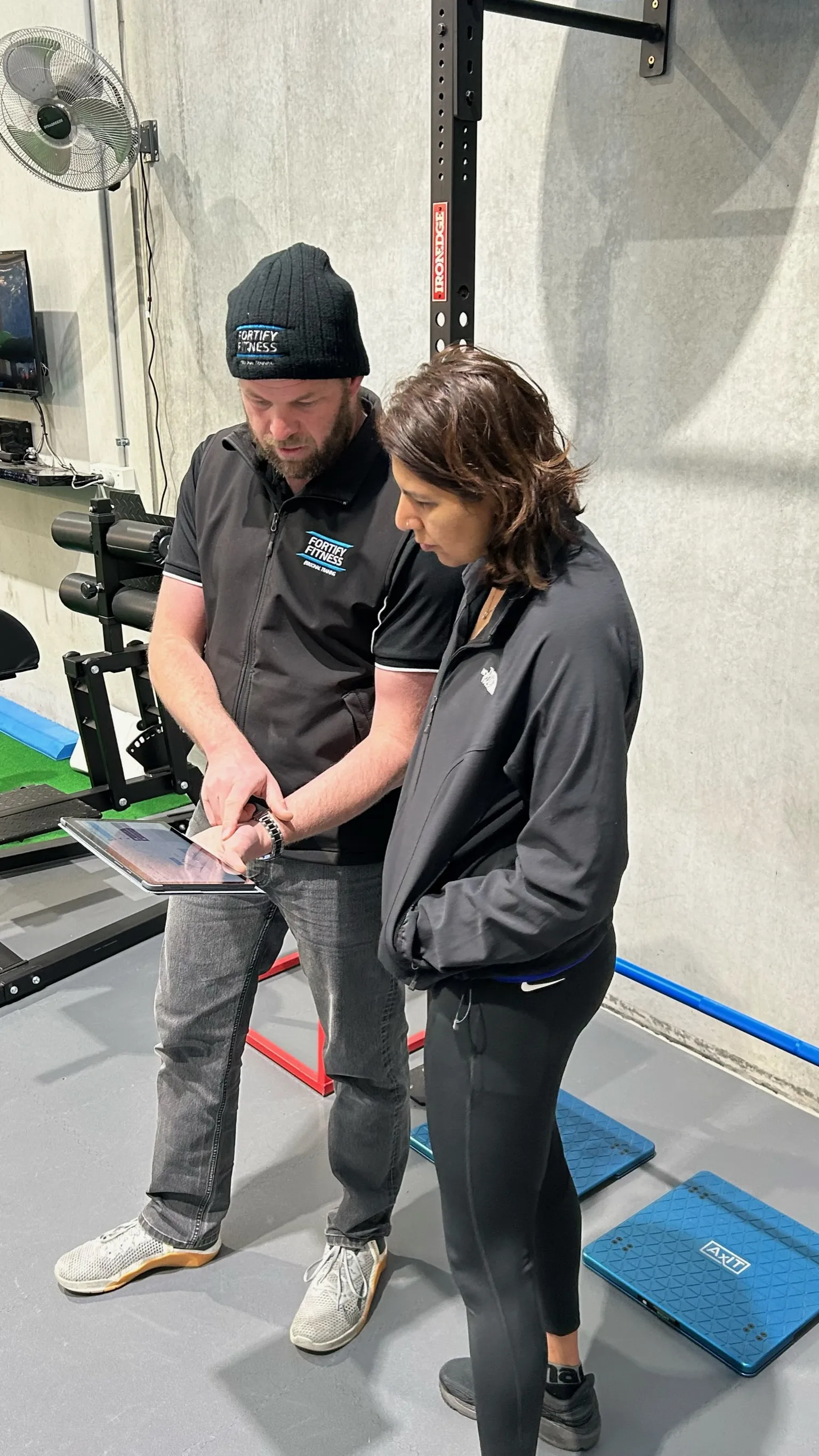
Exercise scientists utilize comprehensive assessments to develop highly individualized fitness programs that address specific health concerns and fitness goals. They may incorporate various modalities, including strength training, cardiovascular conditioning, and flexibility work, tailored to the client's unique needs. Personal trainers, while also personalizing programs, may focus more on general fitness goals and client preferences, which can lead to less tailored approaches.
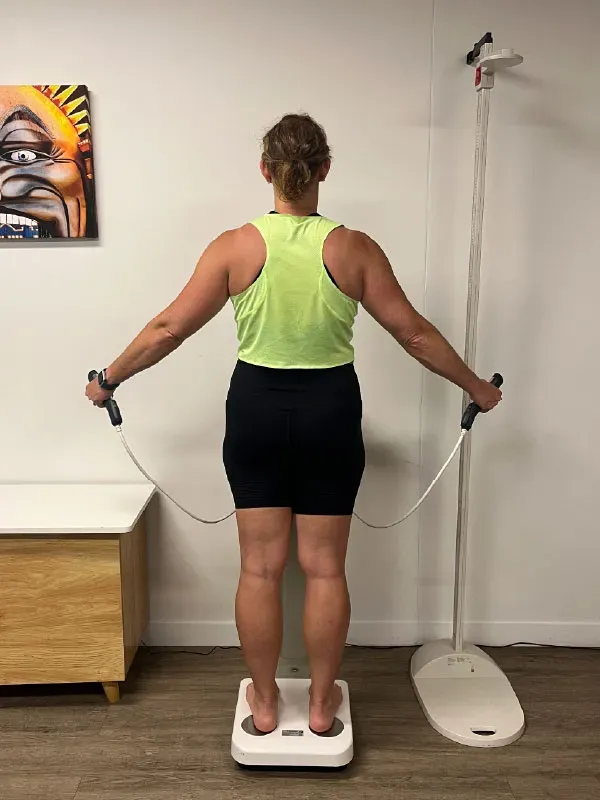
What assessment tools, like AXIT Assessment and Body Scan, are used by Exercise Scientists?
Exercise scientists often employ advanced assessment tools such as the AXIT Assessment and Body Scan to evaluate clients' physical capabilities and body composition. These tools provide valuable data that inform the design of personalized exercise programs, ensuring that they are based on objective measurements rather than subjective opinions. This scientific approach enhances the effectiveness of fitness interventions.
How do Personal Trainers tailor programs to individual client needs?
Personal trainers tailor programs by conducting initial assessments and discussing clients' goals, preferences, and any limitations they may have. They often adjust workouts based on client feedback and progress, ensuring that the training remains relevant and effective. While this approach is beneficial, it may not always incorporate the same level of scientific rigor as programs designed by exercise scientists.
Why Choose Fortify Personal Training in Altona North for Evidence-Based Coaching?
Fortify Personal Training stands out as a premier fitness coaching provider in Altona North, specializing in personalized, evidence-based exercise programs. The company emphasizes sustainable health and fitness outcomes through scientifically informed coaching, assessments, and tailored training plans.
What unique services and expertise does Fortify offer through Accredited Exercise Scientists?
Fortify Personal Training employs accredited exercise scientists who bring a wealth of knowledge and experience to the table. Their expertise allows them to design programs that not only enhance fitness but also address specific health concerns, making them an excellent choice for individuals seeking comprehensive fitness solutions.
How does Fortify ensure sustainable health outcomes with personalized training?
Fortify ensures sustainable health outcomes by focusing on long-term client success rather than quick fixes. Their evidence-based approach incorporates regular assessments and adjustments to training programs, ensuring that clients continue to progress toward their goals while maintaining their health and well-being.
To learn more about how they achieve this, you can explore their group personal training options in Altona North.
Common Questions Clients Have About Exercise Scientists and Personal Trainers:
Clients often have questions regarding the differences between exercise scientists and personal trainers, particularly concerning their qualifications and the effectiveness of their approaches.
Which professional is better suited for injury rehabilitation and chronic disease management?
Exercise scientists are generally better suited for injury rehabilitation and chronic disease management due to their extensive training in exercise physiology and rehabilitation techniques. They can design safe and effective programs tailored to individuals with specific health conditions, ensuring optimal recovery and health outcomes.
How do qualifications impact client results and safety?
The qualifications of fitness professionals significantly impact client results and safety. Exercise scientists, with their advanced education and training, are equipped to create scientifically sound programs that prioritize client safety and effectiveness. In contrast, personal trainers, while valuable for motivation and support, may not have the same depth of knowledge regarding exercise prescription and health management.
Different fitness professionals bring unique strengths to the table, and understanding these differences is essential for making informed choices about your health and fitness journey. By recognizing the qualifications and approaches of exercise scientists and personal trainers, individuals can select the right professional to meet their specific needs and goals.
If you're interested in learning more about the costs associated with these services, you can check out their fees.
For those interested in a detailed evaluation of their body composition, Fortify Personal Training offers a body scan in Altona North. This assessment provides valuable insights into your overall health and fitness level.
If you have any further questions or would like to discuss your fitness goals, don't hesitate to contact Fortify Personal Training. Their team is ready to assist you in achieving your desired outcomes.