How Can I Ensure the Personal Training Program Is Tailored to My Specific Needs?
By Matt Elphick, Fortify Fitness
Creating a personal training program that truly aligns with your unique fitness needs is essential for achieving your goals. A tailored approach not only considers your current physical condition but adapts to your aspirations, abilities, and lifestyle. In this article, we will explore how personalized workout programs can significantly enhance your fitness journey. You'll discover the importance of assessment methods, goal-setting strategies, and how individualized training programs address diverse client needs. Additionally, we'll delve into how Fortify Personal Training specializes in customizing programs to ensure they resonate with your specific requirements and provide the necessary support.
Personalized Workout Program Design
A personalized workout program focuses on customizing fitness regimens to align with individual health and performance objectives. By assessing specific needs such as fitness level, preferences, and health conditions, trainers craft bespoke plans that enhance effectiveness and adherence. This approach not only fosters better results but also boosts motivation as clients engage in workouts designed around their interests.
At Fortify Personal Training, our expert coaches understand the importance of this customization process. Tailored coaching helps clients not only reach their desired outcomes but also enjoy the journey towards better health. Personalized programs enable continual adjustments based on individual progress, ensuring the workout remains challenging yet achievable.
Assessment Methods
Implementing various assessment methods is crucial in tailoring workout programs to fit individual needs effectively. These methods provide valuable data that informs the design of each training program, ensuring it aligns with the client's capabilities and goals.
- Initial Fitness Assessments: Comprehensive evaluations at the beginning help establish a baseline for physical fitness.
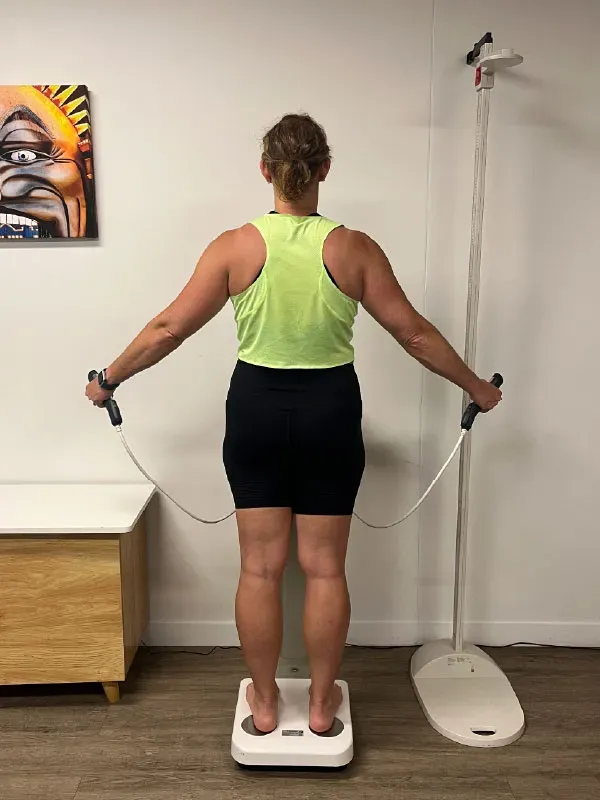
- Body Composition Scans: Tools like body scans can assess fat-to-muscle ratios, guiding nutritional and training adjustments.
- AXIT Assessments: The AXIT assessment is specifically used at Fortify to further refine program specifications by identifying specific areas that need focus, such as strength deficiencies or flexibility issues.
Personalized assessments allow trainers to develop programs that cater specifically to each client's needs and limit the risk of injuries.
Goal-Setting Strategies
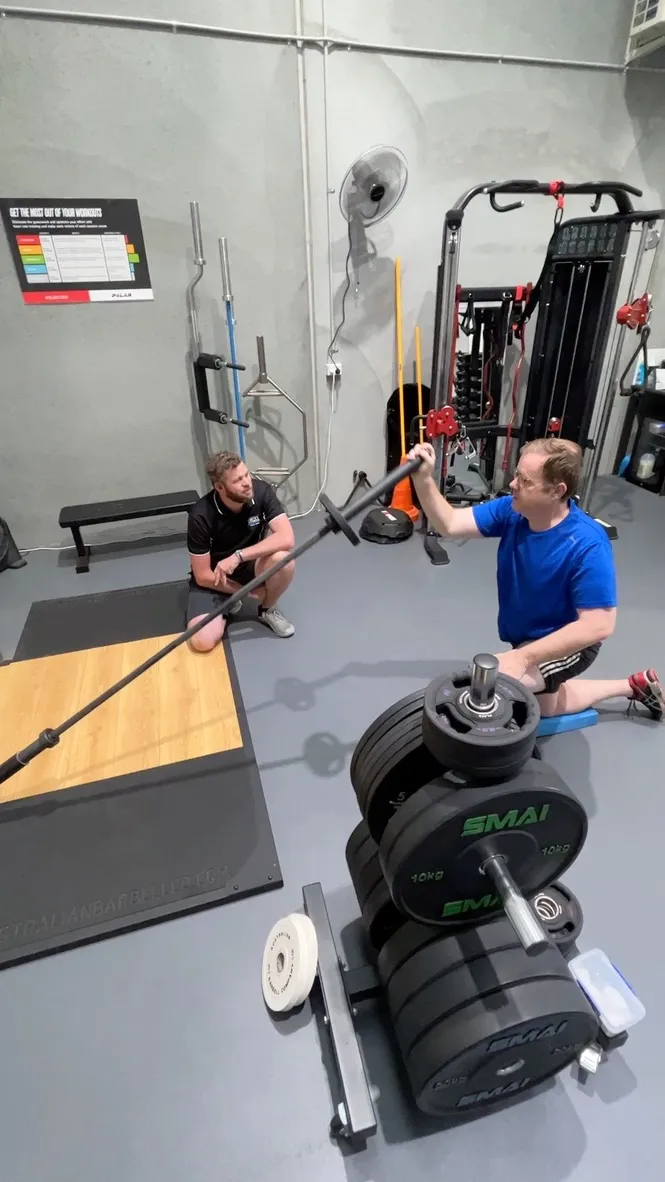
Effective goal-setting is fundamental for success in any personal training program. Using strategic frameworks, clients can set clear, achievable objectives that keep them motivated and accountable throughout their fitness journey. An example of an effective approach is the SMART goals framework, which emphasizes:
- Specific: Clearly define what you want to achieve.
- Measurable: Ensure that progress can be tracked and quantified.
- Achievable: Set realistic goals that can be reached with effort.
- Relevant: Align goals with your personal desires and motivations.
- Time-bound: Set a deadline for achieving your objectives.
Incorporating community support in the goal-setting process can effectively sustain motivation, as clients share their targets with peers and receive encouragement along the way.
What Are Personalized Workout Programs and How Do They Support Your Fitness Goals?
Personalized workout programs are custom-designed fitness plans tailored to meet the individual needs and objectives of clients. Unlike standard workout plans, they consider factors such as existing fitness levels, personal preferences, and any health considerations.
These personalized programs offer numerous benefits:
- Motivation and Accountability: Clients are more likely to stay committed to a program that resonates with their goals.
- Adaptability: Programs can be modified based on progress or changes in fitness levels.
- Holistic Support: Tailored programs often include nutritional and behavioral guidance to enhance overall wellness.
They not only help individuals in achieving their fitness goals but also foster a more enjoyable training experience.
How Do Personalized Training Programs Differ from Standard Workout Plans?
The fundamental difference between personalized training programs and standard workout plans lies in the customization aspect. Tailored programs offer a level of specificity that generic plans cannot match, providing advantages such as:
- Targeted Focus: Personalized plans target specific areas for improvement based on individual assessments.
- Progress Monitoring: Clients typically receive more attentive tracking and adjustments to ensure consistent improvement.
- Enhanced Engagement: Personalized strategies often incorporate activities and exercises that align with a client’s interests, leading to higher engagement levels.
The versatile design of personalized training ensures that each client receives focused support, enhancing their likelihood of success in achieving their goals.
Which Client Needs Are Addressed by Individualized Exercise Plans?
Individualized exercise plans address a broad range of client needs, ensuring comprehensive coverage for diverse fitness journeys. Common needs that tailored programs target include:
- Weight Loss: Specialized programs designed to facilitate effective fat loss through active training.
- Injury Recovery: Specific strategies for clients returning from injuries, focusing on rehabilitation and safe progression.
- Strength and Conditioning: Plans tailored for athletes needing to enhance performance in specific sports or events.
- Neurodivergent Support: Customized training methodologies that accommodate varying cognitive or physical challenges.
Acknowledging these needs ensures that training programs are not only effective but also compassionate, catering to the unique situations of each client.
Which Tailored Fitness Assessments Are Used to Customize Your Program?
Tailored fitness assessments are integral in fine-tuning personalized training programs, aligning them closely with client capabilities and challenges. Assessments provide insights into:
- Conditioned Strength and Endurance: Evaluating current fitness strengths and weaknesses helps personalize focus areas.
- Flexibility and Mobility Tests: These tests help to identify restrictions that could impede exercise performance.
- Cardiovascular Assessments: Understanding a client's aerobic capacity informs cardiovascular workout designs.
Utilizing these assessments, trainers can craft more effective and safer workout programs that cater to individual health statuses.
What Is the AXIT Assessment and How Does It Inform Program Design?
The AXIT assessment is a powerful evaluative tool used to determine a client's physical abilities comprehensively. This assessment dives deep into specific functional movements, allowing trainers to identify weaknesses and limitations that may affect a client’s performance potential. Through the AXIT assessment, tailored programs are developed based on precise data, enhancing safety and effectiveness. For example, if a client shows limited mobility during the assessment, the resulting program will emphasize flexibility and strength training focused on improving that area.
How Does the Body Scan Support Body Composition and Mobility Evaluation?
Body scans are a critical component in evaluating a client’s fitness journey. These scans assist in tracking changes over time and informing necessary adjustments to training programs.
- Body Composition Tracking: By measuring fat mass versus lean mass, trainers can adapt nutrition and exercise regimens accordingly.
- Mobility Evaluation: Identifying imbalances or tension patterns allows for more targeted flexibility and mobility work.
These evaluations ensure continued alignment of fitness programs with evolving client goals.
How Is Your Fitness Program Customized Based on Assessment Data?
Customization of fitness programs based on assessment data involves a structured approach to ensure alignment with personal fitness goals.
- Initial Feedback Sessions: Trainers discuss assessment results with clients to set clear expectations.
- Data-Driven Adjustments: Changes to training plans are made according to the ongoing evaluation of performance and progress.
- Integration of Lifestyle Factors: Nutrition, rest, and daily activity levels are reviewed to enhance overall program effectiveness.
In this manner, each fitness program evolves not solely based on workouts but as an integrated lifestyle approach.
What Is the Process for Developing a Customized Workout Plan?
Developing a customized workout plan involves several essential steps to ensure its effectiveness.
- Initial Comprehensive Assessment: A thorough evaluation establishes baseline fitness levels and identifies goals.
- Goal Collaboration: Clients work with trainers to articulate realistic fitness targets.
- Program Design: Based on the gathered data, a detailed workout regimen is crafted.
- Ongoing Support and Reevaluation: Regular check-ins are scheduled to monitor progress and make necessary revisions.
These steps promote a systematic approach to personal training, ensuring longevity and sustainability in client engagement.
How Often Are Personalized Training Programs Reviewed and Updated?
Personalized training programs are reviewed regularly, typically every 4-6 weeks, depending on the client's progress and feedback. This review process is vital for several reasons:
- Tracking Progress: Regular evaluations help measure if clients are reaching set goals as intended.
- Adaptability: Adjustments allow the program to remain challenging and aligned with current fitness levels.
- Reassessing Goals: As clients progress, their fitness objectives may evolve, necessitating updates to their plans.
This commitment to ongoing support demonstrates a focus on long-term success and satisfaction.
Which Evidence-Based Coaching Methods Ensure Sustainability and Effectiveness?
Evidence-based coaching methods are central to ensuring the effectiveness and sustainability of personalized training programs. Some of the most vital methods include:
- Behavioral Strategies: Techniques that assist in habit formation and adherence to training regimens.
- Data-Driven Adjustments: Utilizing analytics from assessments to guide program modifications.
- Ongoing Education: Empowering clients with knowledge about their training fosters a greater sense of responsibility for their progress.
These strategies cultivate an environment where clients are motivated to engage deeply with their fitness programs.
How Do Trainers Apply Science-Driven Techniques to Individualize Coaching?
Trainers apply science-driven techniques by integrating physiological principles and performance metrics into their coaching methodologies. This involves:
- Understanding Body Mechanics: Tailoring exercises to align with each client’s body type and movement capabilities.
- Applying Research Findings: Incorporating evidence-based practices that yield the best results for client demographics.
- Customized Programming: Developing plans that reflect both the science of fitness and individual preferences.
By blending scientific principles with personalized attention, trainers effectively enhance client experiences and outcomes.
How Are Neurodivergent and Injury Recovery Needs Accommodated in Training?
Accommodating neurodivergent and injury recovery needs in training requires specialized strategies. This may include:
- Personalized Communication: Tailoring interactions to assist neurodivergent clients in understanding their fitness plans.
- Careful Progression: Adjusting training loads and intensities for clients recovering from injuries to prevent reinjury while still promoting gains.
Fortify Personal Training specifically tailors its approaches to meet these needs, ensuring inclusivity and responsiveness.
What Are the Steps to Book and Begin Your Bespoke Personal Training Program?
Booking a bespoke personal training program at Fortify is a straightforward and welcoming process. Here’s how to get started:
- Initial Consultation: Contact us via email at info@fortifypersonaltraining.com.au or by phone at (03) 8383 3604 to schedule your personalized consultation.
- Assessment and Goal Setting: During your consultation, we’ll conduct a comprehensive assessment to establish your fitness baseline and identify your goals.
- Program Development: Following the assessment, our trainers will develop a customized workout plan tailored just for you.
This structured approach ensures clarity and support from the earliest stages of your fitness journey.
How Do You Schedule a Consultation for a Tailored Fitness Assessment?
Scheduling a consultation for a tailored fitness assessment at Fortify is as simple as contacting our team. You can contact us through our website's contact page.
- Contact Us: Reach out through our email or phone to express your interest in starting personalized training.
- Availability Check: Our staff will provide available times for your initial consultation, ensuring flexibility to fit your schedule.
- Book Your Appointment: Once a suitable time is confirmed, you will be officially booked for your assessment.
This efficient process sets the stage for embarking on a transformative fitness journey.
What Pricing and Program Options Are Available for Your Custom Plan?
At Fortify Personal Training, we offer flexible pricing options to suit various needs:
- One-on-One Personal Training: $85 per session, focusing exclusively on individual goals and needs.
- Group Training Sessions: Available for $55 per session, providing a supportive environment for collective goal achievement.
- Specialized Programs: Priced at $95 per session, these meet specific client needs, such as injury recovery or performance training.
Our transparent pricing structure enables clients to choose what best fits their needs and budget while experiencing the benefits of personalized training.