Active Recovery Techniques for Enhanced Performance

By Matt Elphick – Accredited Exercise Scientist specializing in recovery optimization, performance enhancement, and evidence-based training periodization strategies.
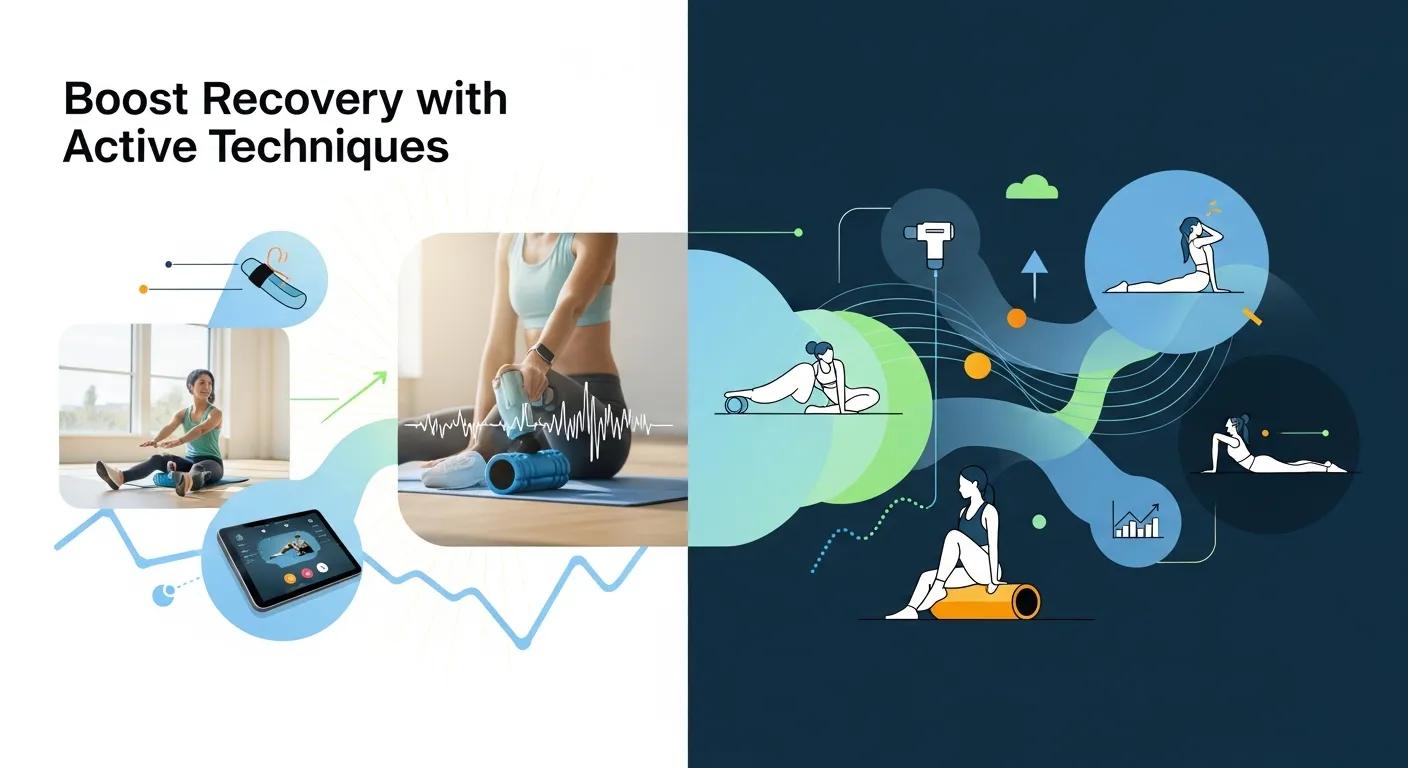
Active recovery is a simple, effective tool for athletes and everyday exercisers who want to bounce back quicker and train more consistently. These are low‑intensity movements that keep blood flowing, ease soreness and speed repair. Below we unpack the most useful active recovery methods, why they work, and how to fold them into your training week. If post‑session soreness or fatigue is killing your momentum, active recovery can help you feel better faster and improve your overall fitness. We’ll cover what active recovery is, practical exercises, how it pairs with strength work, injury prevention tips, nutrition and hydration, and how to build a personalised plan for Melbourne’s western suburbs.
What Active Recovery Is — and How It Helps Your Performance
Active recovery means doing light, controlled activity after a hard training session to speed up the body’s repair process. Unlike total rest, it keeps circulation moving, helps clear metabolic by‑products and reduces the ache that follows tough workouts. Used regularly, active recovery lets you train more often, with less downtime and better consistency.
How Active Recovery Differs from Passive Rest
Passive rest is simply stopping — no movement, no load. Active recovery keeps you moving at a low intensity: think easy walking, gentle cycling or mobility work. That mild movement maintains blood flow to fatigued muscles and helps remove waste products faster. Research and practical experience show active recovery often reduces soreness and gets you ready for your next session sooner than complete inactivity.
Physiological Benefits of Active Recovery
Physiologically, low‑intensity activity after exercise increases circulation, delivering nutrients and speeding the removal of waste. That can lower DOMS (delayed onset muscle soreness) and improve recovery timelines. Active recovery also helps calm the nervous system, lowering stress and promoting better rest — both important for steady performance gains.
Which Active Recovery Exercises Ease Soreness Quickly?
Picking the right low‑impact exercises makes active recovery a quick, practical part of your routine. The best options are simple to fit around training and gentle on sore muscles.
Low‑Intensity Cardio That Supports Recovery
Walking, easy cycling and light swimming are go‑to options. These increase heart rate slightly without adding load to tired muscles. A 15–30 minute walk or a gentle bike for the same time frame usually does the job — enough to boost circulation and help recovery without adding fatigue.
Stretching, Yoga and Foam Rolling — What They Do
Stretching and yoga maintain mobility and ease tension, while foam rolling works as a form of self‑myofascial release to reduce tightness and encourage blood flow. Used after a session or on rest days, these methods improve movement quality and reduce lingering soreness.
How to Combine Active Recovery with Strength Training for Better Results
Active recovery should be part of a broader training plan — especially when you’re lifting regularly. When scheduled correctly, it supports adaptation and reduces injury risk.
The Role of Periodisation and Training Load in Recovery
Smart periodisation and sensible loading are essential. Plan heavier and lighter blocks, and include active recovery days between intense sessions. That gives your body time to adapt and lowers the chance of overuse injuries while keeping progress steady.
How Fortify Fitness Personalises Recovery with the AxIT System
Fortify uses the AxIT system to assess where you’re at and build recovery plans that fit your training, goals and lifestyle. The system guides decisions around intensity, volume and recovery strategies, so you get a tailored approach that helps you recover better and perform at your best. Learn more about how we assess strength and recovery needs.
Why Active Recovery Matters for Injury Prevention and Long‑Term Health
Regular active recovery reduces cumulative stress on the body and supports longer, healthier training careers. It’s a practical step toward fewer injuries and better long‑term movement quality.
How Active Recovery Helps Nervous System Regulation
Light movement and mobility work help balance the autonomic nervous system, promoting relaxation and lowering the risk of overtraining. That nervous‑system balance improves sleep, mood and readiness for your next session.
Benefits for Neurodivergent People and Busy Professionals
Active recovery is flexible and easy to structure, making it ideal for neurodivergent clients and busy workers. Short, predictable recovery sessions can reduce stress, improve focus and slot neatly into hectic schedules — helping you stay consistent without adding complexity.
Which Nutrition and Hydration Habits Support Active Recovery?
What you eat and drink shapes how quickly you recover. Pairing the right macronutrients and staying hydrated will speed muscle repair and restore energy.
Macronutrients and Micronutrients That Aid Repair
Protein is central for muscle repair; carbs replenish glycogen; healthy fats support cell function. Vitamins and minerals help the body’s recovery processes. Aim for balanced meals with lean protein, whole grains, fruit and veg after training to support repair and refuelling.
Hydration Tips to Improve Recovery Efficiency
Dehydration slows recovery and impairs muscle function. Drink water before, during and after exercise — and consider electrolyte drinks for longer or more intense sessions. Maintaining fluid balance helps you recover faster and feel better day to day.
How to Start a Personalised Active Recovery Plan in Melbourne’s Western Suburbs
Building a recovery plan is straightforward when it’s tailored to your schedule and goals. Here’s how to put a practical plan in place locally.
What Fortify Fitness Offers for Tailored Recovery
Fortify Fitness provides one‑to‑one coaching, nutrition guidance and access to recovery tools like foam rollers and mobility equipment. We help you design a recovery routine that fits your training and lifestyle. Explore our services for personalised plans, or join our small group training for guided sessions with a supportive crew. Transparent pricing and plans make it easy to choose what suits you.
How to Book a Free Discovery Call
Ready to get a plan that actually works? Book online to start a free discovery call and we’ll map out your recovery needs and how the AxIT system can help. Or call us on 03 8011 7959 to schedule your consultation and take the next step toward smarter recovery and better performance.
Frequently Asked Questions
What’s the best length for an active recovery session?
Most active recovery sessions work well at 15–30 minutes. That’s usually enough time to increase circulation and ease soreness without creating extra fatigue. Adjust the length to how you feel and the intensity of your recent training.
Is active recovery useful for non‑athletes?
Yes. Anyone can benefit from light movement to reduce muscle tension, improve mood and speed recovery after physical activity. Simple practices like walking or gentle yoga are effective for everyday people, not just athletes.
How often should I do active recovery?
Typically 1–3 times per week is a sensible starting point, especially after heavy sessions. Your training load and how your body responds will determine the ideal frequency.
Are there active recovery options for older adults?
Absolutely. Gentle walking, swimming, tai chi and light mobility work are great choices for older adults. These activities support flexibility, balance and recovery without undue strain. Always check with a healthcare professional before starting a new program.
What should I avoid during active recovery?
Avoid high‑intensity or heavy resistance work that stresses the same muscles you’re trying to recover. Skip activities that cause pain and focus on gentle, low‑impact movement that promotes relaxation and circulation.
How can I track my recovery progress?
Track how you feel after sessions, keep a simple training and recovery log, and monitor signs like reduced soreness, improved sleep and consistent performance in your workouts. Wearables that record heart rate variability and sleep can also give useful data on recovery status.
Conclusion
Active recovery is a practical, low‑effort way to reduce soreness, protect against injury and keep making progress. When personalised to your training and lifestyle, it becomes a powerful tool for long‑term results. If you want a recovery plan that fits your life and goals, Fortify Fitness can help — get in touch to find out how.