Beyond Speed: Measuring Reaction Time and Decision-Making with Light-Gate Testing
By Matt Elphick, Fortify Fitness
Measuring reaction time is crucial for athletes and individuals engaged in neurofitness, as it directly correlates with their performance and decision-making abilities. Reaction time refers to the duration it takes to respond to a stimulus, and optimising this response can lead to increased efficiency in sports and cognitive tasks. This article will explore the method of light-gate testing and its significance in accurately assessing reaction time and decision-making processes. Individuals often face challenges in improving their performance due to a lack of awareness about these critical metrics. Light-gate technology offers a solution that empowers athletes and clients alike to understand and enhance their performance. We will delve into the measurement processes, benefits, and integration of reaction time testing in personalized training programs.
What Is Reaction Time and Why Is It Crucial for Athletic and Neurofitness Performance?
Reaction time is the interval between stimulus presentation and an individual's response. In athletic settings, this can determine a player's effectiveness in making split-second decisions, such as dodging an opponent or responding to a whistle. Furthermore, in neurofitness, understanding one's reaction time can facilitate cognitive training, essential for improving decision-making and mental agility.
How Does Reaction Time Affect Decision-Making and Physical Agility?
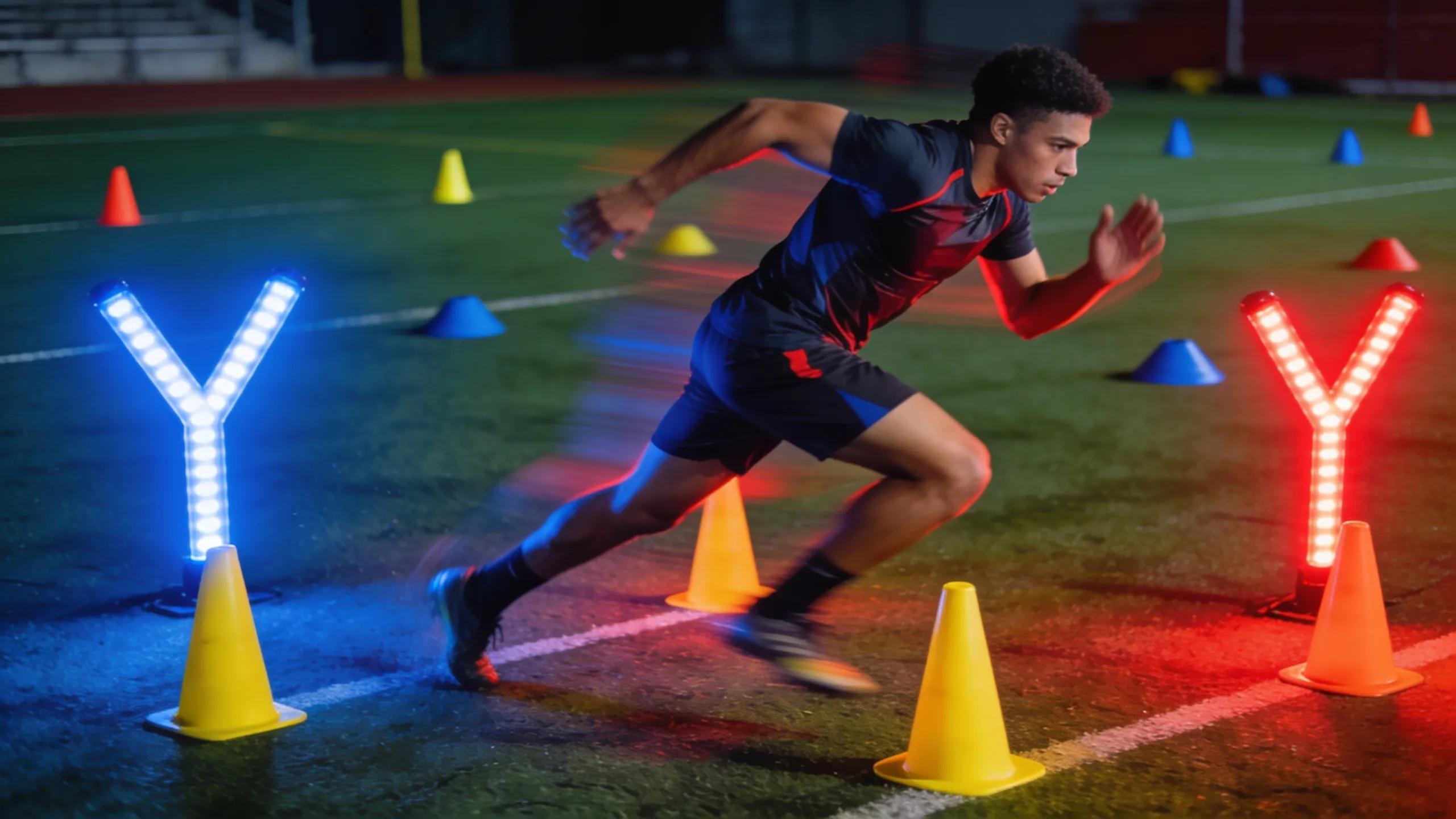
Reaction time plays a pivotal role in decision-making and physical agility. When athletes possess faster reaction times, they are often better positioned to make strategic choices, enhancing their on-field performance. For example, a sprinter with quicker reaction capabilities can respond more effectively to the start signal, thus gaining a competitive edge. On the cognitive level, athletes with superior reaction times can process information more efficiently, enabling them to adapt their strategies mid-game effectively.
What Are the Key Factors Influencing Reaction Time in Diverse Populations?
Several factors influence reaction time, including age, training, and neurological conditions. Research has shown that younger individuals generally exhibit quicker reaction times than older adults. Moreover, neurodivergent populations may demonstrate unique response patterns, emphasising the need for tailored training programs. Training that incorporates specific drills can enhance reaction time across different demographics, allowing all individuals to perform at their best.
How Does Light-Gate Testing Technology Measure Reaction Time and Decision-Making Accurately?
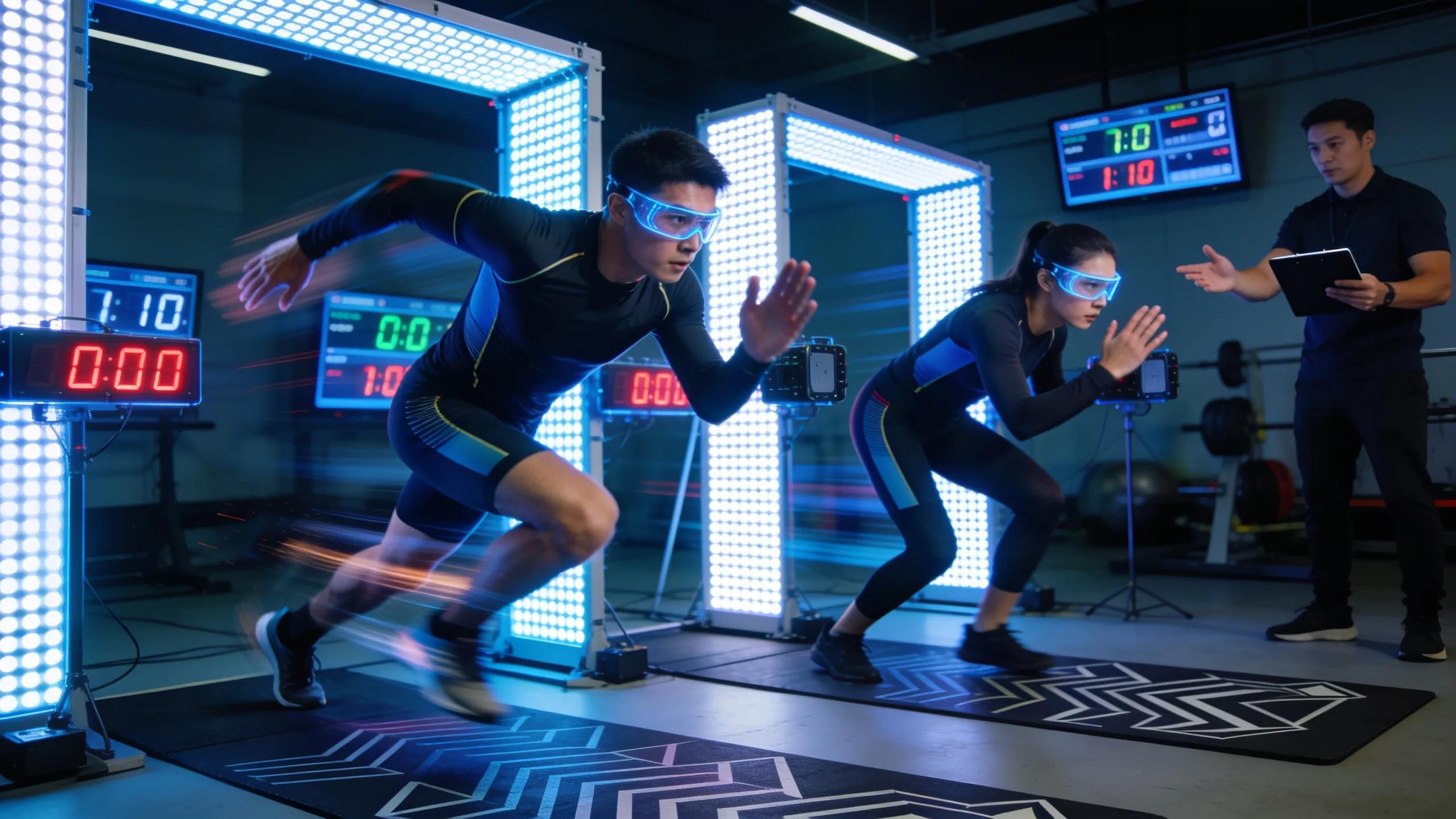
Light-gate testing technology provides a sophisticated means of measuring reaction time through specialized equipment that records the precise moment a subject reacts to a stimulus. This technology offers incrementally precise readings that surpass traditional methods, ensuring accurate measurements beneficial for athletes aiming to enhance their performance metrics.
What Is the Setup and Calibration Process for Light Gate Timing Systems?
Setting up light-gate timing systems involves several essential steps to ensure accurate function. First, the equipment must be placed at appropriate intervals, taking into account the type of reaction being measured. Calibration follows, requiring the adjustment of sensitivity settings to capture the quickest responses possible accurately. Regular checks are recommended to maintain precision in results.
How Does Light-Gate Technology Compare to Traditional Athletic Reaction Assessment Methods?
When comparing light-gate technology to traditional athletic assessment methods, light-gate systems offer substantial advantages. Traditional methods often rely on subjective measures or manual timing, which can introduce human error. In contrast, light-gate systems provide objective data that can be repeated with high accuracy, ensuring reliable assessments for athletes. This technological advancement facilitates better training regimens and performance improvements.
What Are the Performance Benefits of Reaction Time and Decision-Making Testing for Athletes and Neurodivergent Clients?
Implementing reaction time testing yields significant performance benefits. Enhanced reaction capabilities translate to better athletic performance and improved decision-making processes for individuals, particularly those in neurodivergent communities who may require specialized training techniques.
How Does Neurofitness Reaction Training Enhance Cognitive and Physical Response?
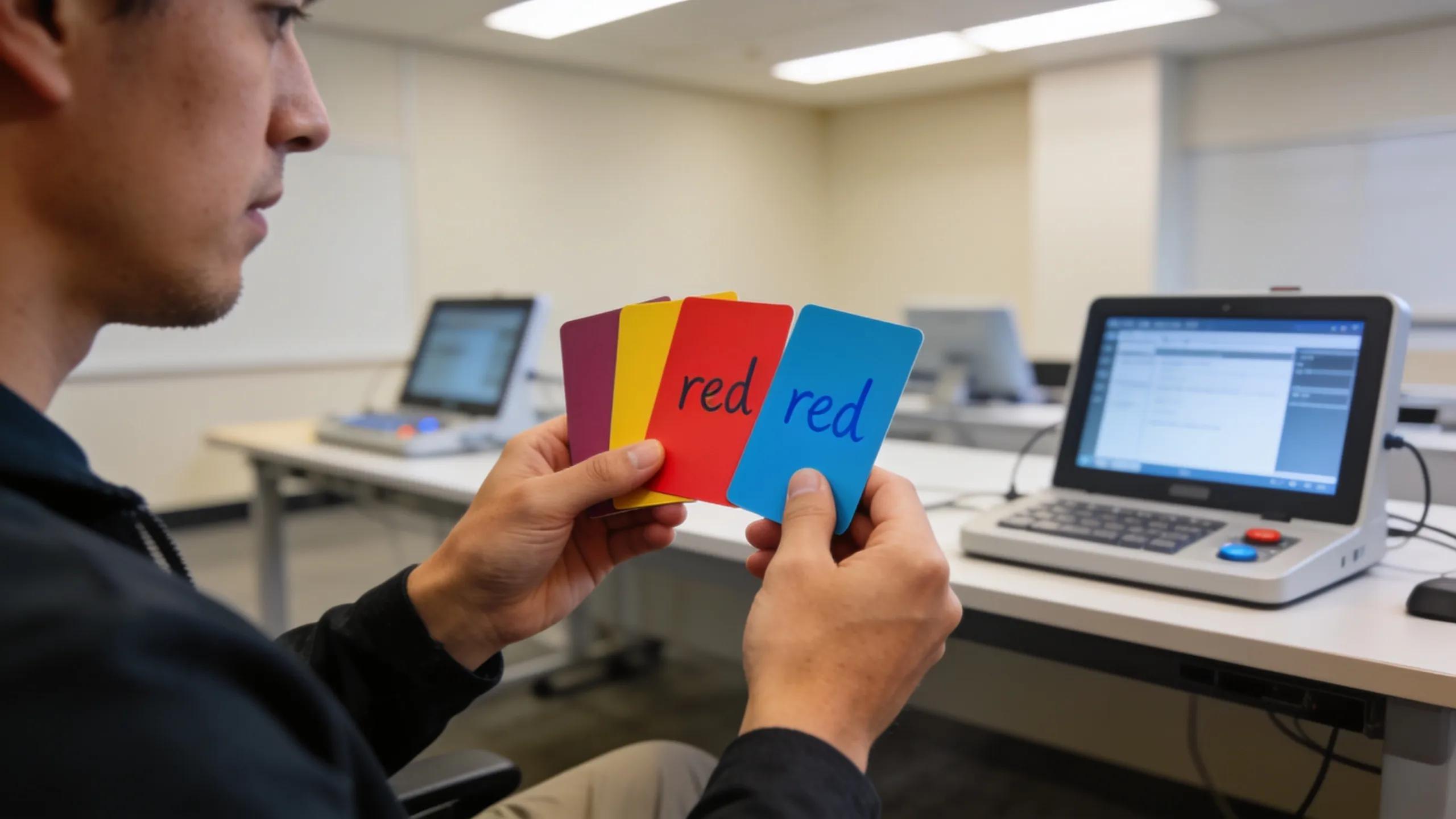
Neurofitness training focuses on improving cognitive functions such as attention, memory, and processing speeds through targeted drills. By incorporating reaction time exercises, athletes can boost not only their physical response times but their mental agility as well. This holistic training approach can significantly impact performance and overall mental well-being. For personalized neurofitness, consider exploring our group personal training options.
In What Ways Do Reaction Time Drills and Agility Tests Reduce Injury Risk and Boost Performance?
Regular inclusion of reaction time drills in training routines can improve muscle function and coordination, reducing the risk of injuries. For instance, agility tests that focus on quick directional changes can enhance an athlete’s ability to react swiftly to dynamic challenges, which is essential in various sports. Research indicates that athletes who engage in these drills exhibit fewer injuries and enhanced performance metrics.
How Is Reaction Time Testing Integrated into Personalized Fitness Coaching Programs at Fortify?
At Fortify Personal Training, reaction time testing is seamlessly integrated into personalized coaching programs. This integration allows for tailored training approaches that address individual needs, maximising athletic performance. Understanding individual capabilities is a key component, which is why we utilize the AXIT assessment to evaluate baseline performance.
What Role Does the AXIT Assessment Play in Customising Reaction and Decision-Making Training?
The AXIT assessment plays a crucial role in evaluating an individual's baseline reaction time and cognitive function. By measuring specific parameters, trainers can create personalized plans that target areas of improvement, ensuring each client receives optimal training tailored to their capabilities.
How Do Trainers Use Sensor Technology Data to Tailor Individualized Exercise Plans?
Trainers utilize data derived from sensor technology to refine individualized exercise plans further. By analysing reaction time trends and performance metrics, coaches can adapt training regimens dynamically, focusing on areas that require enhancement. This data-driven approach fosters more effective training sessions that align closely with each client's performance goals. If you're ready to transform your fitness journey, you can book your session today.
What Should Clients Expect When Booking and Undergoing Light-Gate Reaction Time Assessments?
Clients interested in light-gate reaction time assessments can expect a straightforward process designed to yield accurate results. Understanding the steps involved helps clients feel more confident and prepared for their assessments.
How Can Clients Schedule Personalized Reaction Testing and Understand the Assessment Procedure?
Scheduling personalized reaction testing is facilitated through an easy-to-navigate booking system. Clients will be guided through the steps of the assessment, which typically involves preparatory measures and an explanation of what to expect. The testing procedures are designed to be engaging and informative, allowing clients to gain insights into their performance.
What Are Common Questions About Reaction Time Testing Answered?
Common inquiries about reaction time testing often revolve around its efficacy and implications for performance. Clients frequently ask about the accuracy of the measurements and how this data correlates with improvements in them. Understanding these aspects is crucial for making informed decisions about engaging in testing and subsequent training programs. For any further questions, feel free to contact us.
| Assessment Type | Methodology | Benefits |
|---|---|---|
| Light-Gate Testing | Automated reaction measurement | High accuracy |
| Traditional Methods | Manual timing and subjective assessments | Variable reliability |
| Neurofitness Drills | Customised cognitive training | Improved agility |
Utilizing light-gate testing alongside reaction time drills offers an all-encompassing approach to enhancing both cognitive and physical performance for athletes at Fortify Personal Training. These techniques highlight the crucial connection between rapid response mechanisms and overall proficiency in competitive environments.