What Force Plate Testing Reveals About Your Strength and Power (CMJ, IMTP and DSI)
By Matt Elphick, Fortify Fitness
Force plate testing is an advanced technique utilized to measure strength and power, pivotal for athletes aiming to enhance performance. This comprehensive guide will explore the intricacies of force plate testing, focusing on the Counter Movement Jump (CMJ), Isometric Mid Thigh Pull (IMTP), and Dynamic Strength Index (DSI). Readers will gain insight into how these measurements contribute to personalized training plans and the distinct advantages they offer for athletic development. With many athletes facing challenges in identifying effective training strategies and tracking progress, the integration of force plate testing provides a robust solution. The article will navigate through the principles of force testing, discuss its implications for strength evaluation, and highlight how the data gathered can ultimately lead to more tailored training outcomes.
What Is Force Plate Testing and How Does It Measure Athletic Power?
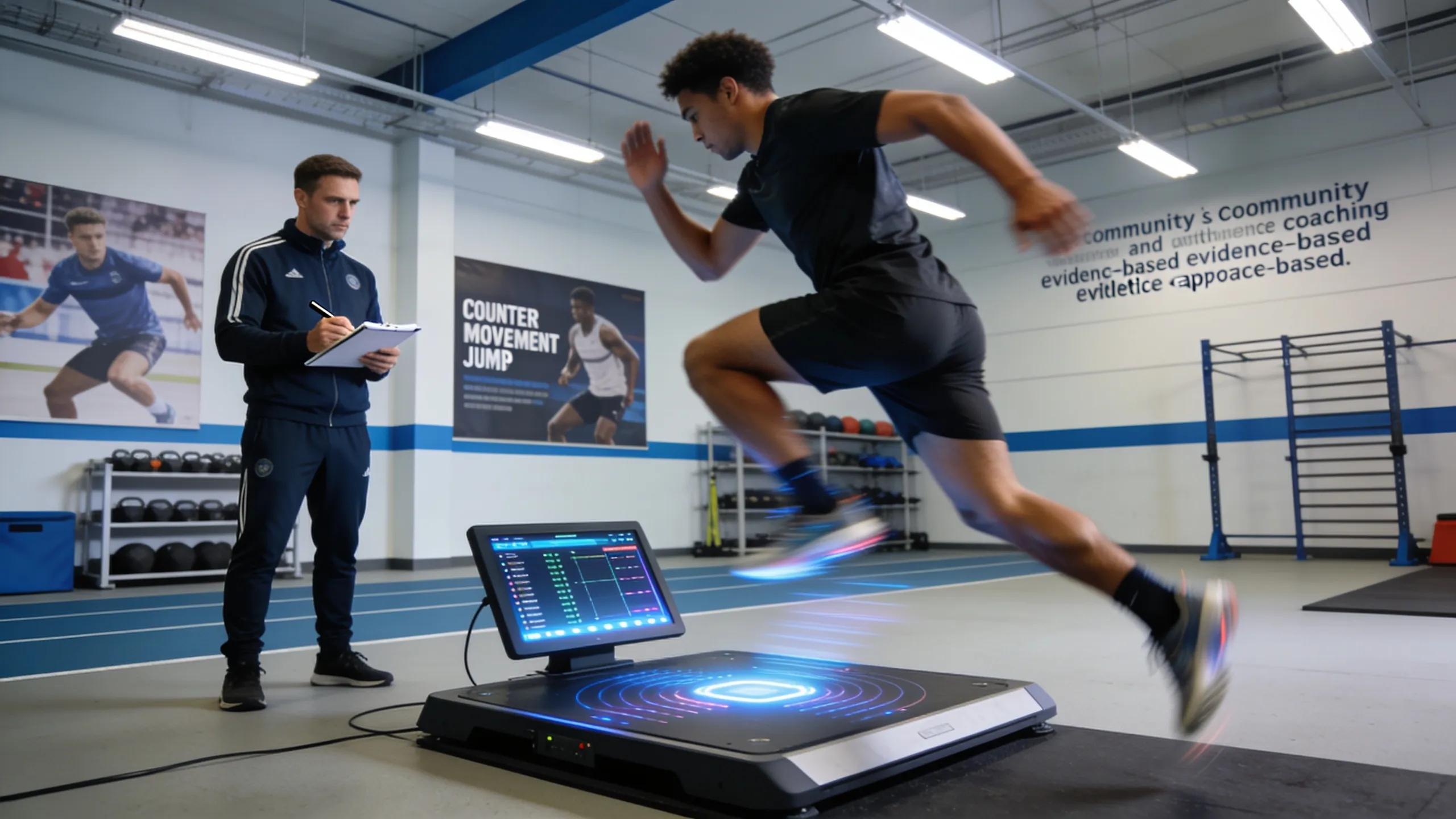
Force plate testing refers to a biomechanical assessment method that captures ground reaction forces generated during athletic movements. This technique measures dynamic performance metrics, providing critical data regarding an athlete’s explosive power, technique efficiency, and overall movement patterns. By analysing these forces, trainers can pinpoint weaknesses and strengths in different athletic performance measures, enabling more focused and effective coaching strategies. The importance of this testing method lies in its ability to transform subjective evaluations into objective metrics, facilitating accurate strength assessments that inform training decisions.
Fortify Personal Training offers personalized coaching and training programs designed around these insightful measurements, aiming for long-term health and sustainable fitness goals. Explore their group personal training in Altona North for tailored athletic development.
Why Is Force Plate Biomechanics Essential for Strength Evaluation?
The application of biomechanics through force plate testing provides an intricate look at an athlete's physical capabilities, which is essential for evaluating strength. Understanding the biomechanics involved allows coaches and trainers to assess movement efficiency and identify potential areas for improvement. This methodology connects directly to injury prevention strategies by helping athletes avoid overreaching in their training and maintaining optimal performance levels. Force plate metrics inform trainers about an athlete's readiness for competition and their capacity to perform under various conditions.
How Does the Counter Movement Jump Assess Explosive Power?
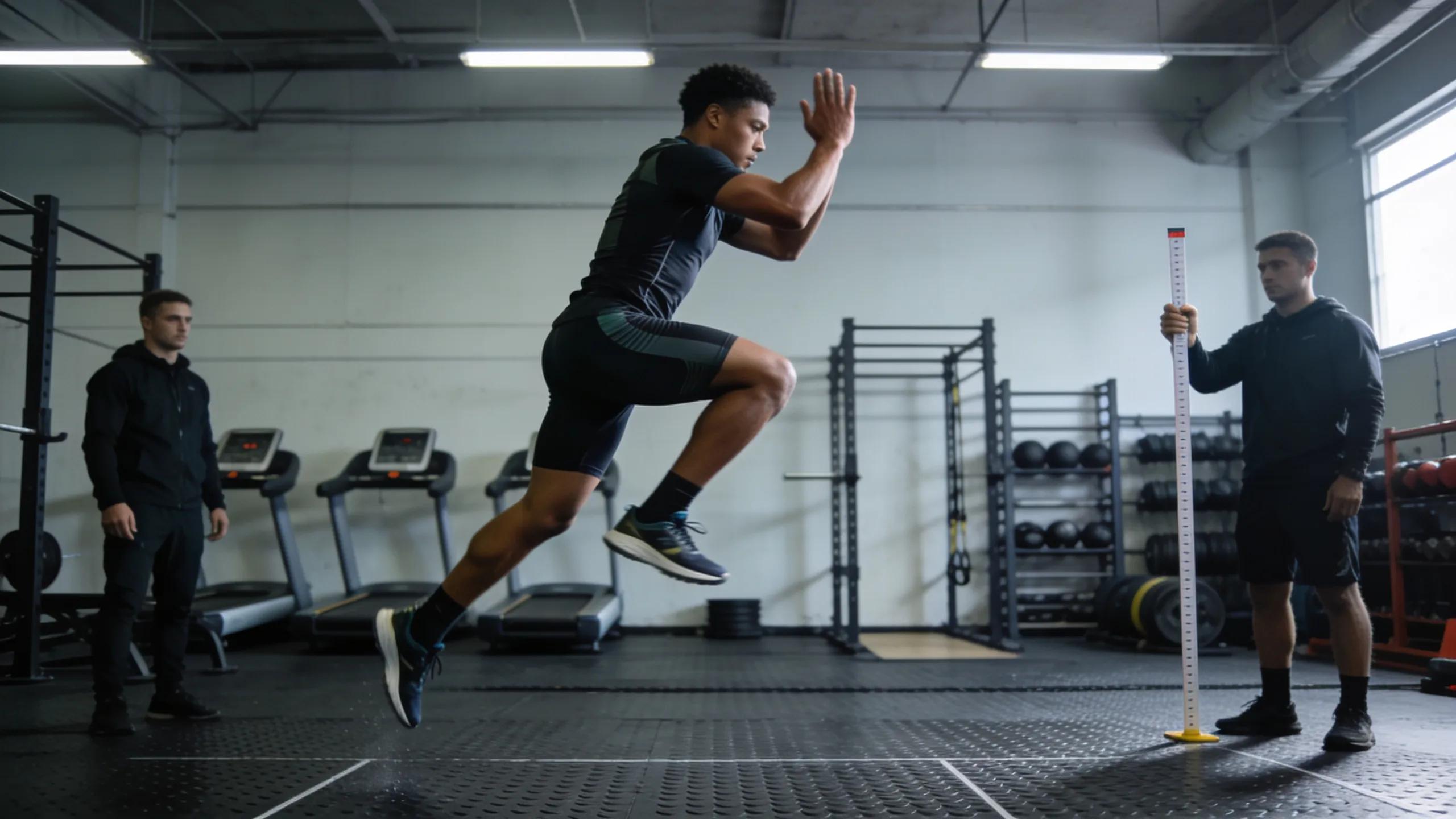
The Counter Movement Jump (CMJ) is a crucial performance test that assesses an athlete's explosive power by analysing their jump height and force output. During the CMJ, an athlete dips down briefly before ascending, thus facilitating an effective stretch-shortening cycle. This sequence generates increased force production necessary for effective jumping. The metrics captured during CMJ, such as peak power and jump height, directly inform training adjustments focused on improving explosive strength.
How Can CMJ Data Inform Personalized Power Development?
CMJ data plays a vital role in crafting personalized training programs tailored to individual athlete needs. By interpreting CMJ outcomes, trainers can objectively measure an athlete's explosive power and how it evolves over time. This insight enables the formulation of specific, goal-oriented training objectives. Adjustments in training plans may focus on enhancing explosive strength through targeted exercises informed by CMJ results, ensuring that training aligns with the athlete's performance aspirations.
What Role Does the Isometric Mid Thigh Pull Play in Strength Profiling?
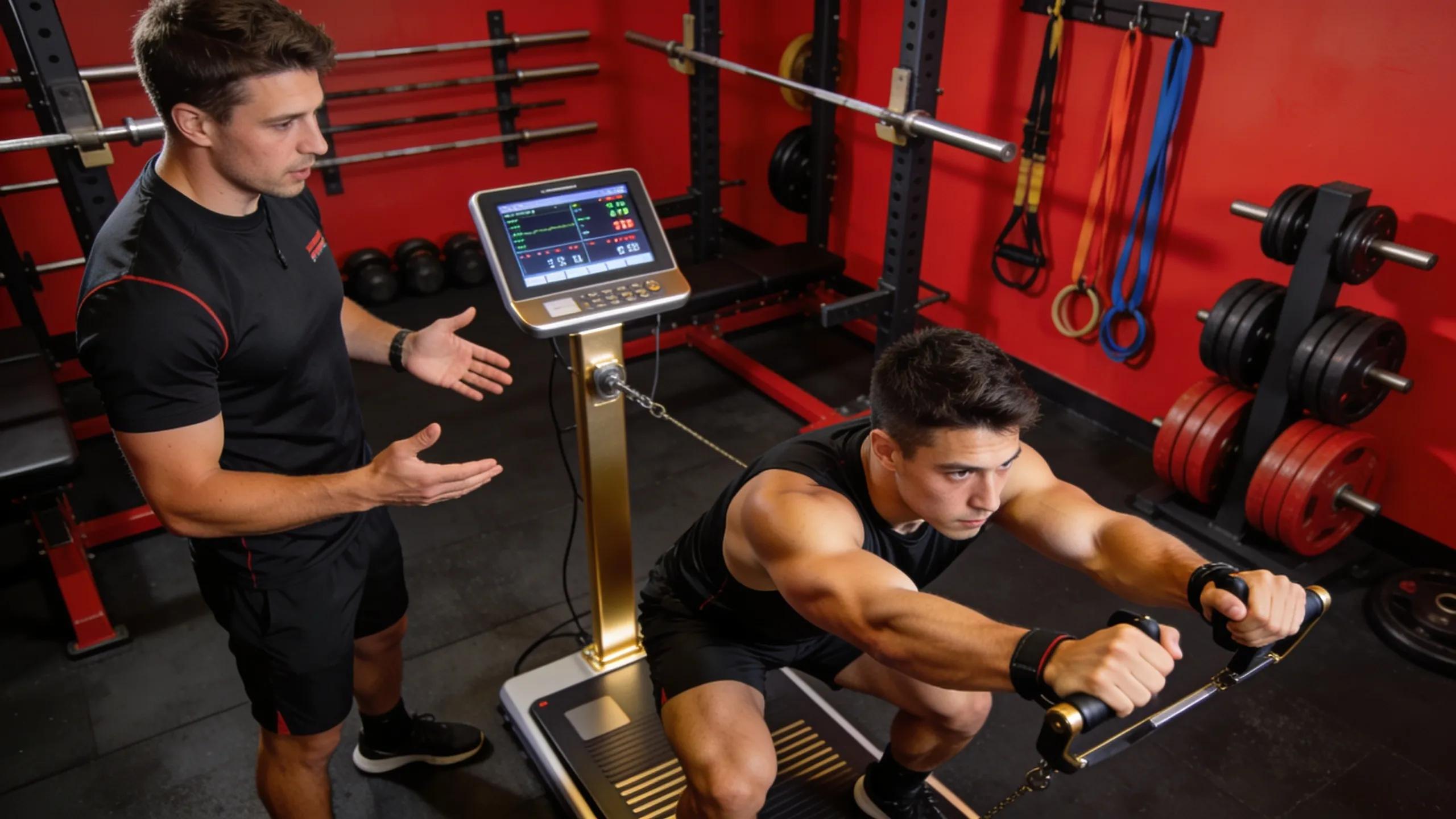
The Isometric Mid Thigh Pull (IMTP) is a key strength profiling tool that evaluates an athlete's maximal isometric strength. This test measures force production in a static position, devoid of the dynamic components found in other strength tests. Understanding how IMTP works and its implications can significantly impact strength assessment accuracy and training effectiveness. The primary benefit of IMTP lies in its ability to provide objective data to compare against traditional strength assessments, allowing for a more nuanced understanding of an athlete's overall strength profile.
Why Use IMTP for Accurate Isometric Strength Testing?
The precision and objectivity of IMTP results make it an invaluable tool for evaluating isometric strength. Unlike other methods, IMTP eliminates the variability that can arise from dynamic movements. By focusing on specific muscle groups, IMTP offers a clear picture of an athlete's strength capacity, thus enhancing training efficacy. This direct measurement contributes to actionable training adjustments that are crucial for performance enhancement while simultaneously aiding in injury prevention strategies.
How Is the Dynamic Strength Index Calculated and Applied?
The Dynamic Strength Index (DSI) serves as a comparative measure that reflects an athlete's strength relative to their explosive output. This index is calculated by dividing an athlete's isometric strength by their dynamic strength, often assessed through a jump or similar explosive activity. Understanding DSI helps trainers optimise training interventions based on each athlete's specific strengths and weaknesses, consequently enhancing a training program's effectiveness. For comprehensive insights, consider an Axit assessment to pinpoint performance nuances.
How Can Force Plate Testing Results Enhance Personalized Training Outcomes?
Utilizing force plate testing results can significantly enhance personalized training outcomes by making data-driven decisions that customise athlete performance plans. Insights gained from force plate testing, such as explosive power measurements and strength profiles, allow trainers to develop targeted regimens that optimise individuals' training experiences. Moreover, ongoing assessment using force plate data encourages adaptability in training strategies, ensuring that athletes remain on track toward their goals. Take advantage of body scan services in Altona North for detailed physical assessments.
How Do Trainers Use Force Plate Data to Tailor Programs for Diverse Clients?
Trainers leverage force plate data to create programs uniquely suited for diverse client profiles, including recreational athletes and high-performance sports individuals. For instance, data insights may inform progressions or regressions in training intensity, volume, and exercises included based on an athlete's performance metrics. Such tailored approaches can lead to substantial improvements across varied training outcomes, which include strength gains, explosive power development, and improved overall athletic performance.
What Are Common Questions About Force Plate Testing, CMJ, IMTP, and DSI?
Many individuals may have questions regarding the applications and benefits of force plate testing, particularly around specific tests such as CMJ, IMTP, and DSI. Addressing common inquiries can help clarify misconceptions while educating athletes on how these assessments contribute to their performance and health.
Why Are CMJ, IMTP, and DSI Critical for Injury Risk Assessment?
The application of CMJ, IMTP, and DSI significantly enhances injury risk assessment by providing indicators of performance capacity under various conditions. Effective analysis of the results from these tests enables trainers to identify potential vulnerabilities in an athlete's strength profile. By regularly assessing these metrics, trainers can implement adjustments to training loads and recovery strategies that reduce the likelihood of injury, ensuring athletes train safely and effectively.
Different testing methodologies deliver distinct insights that contribute towards optimal athletic performance. Please contact us for more information.
| Test Type | Measurement Parameters | Benefits |
|---|---|---|
| Counter Movement Jump (CMJ) | Jump height, peak power | Assess explosive power, adapt training plans |
| Isometric Mid Thigh Pull (IMTP) | Force output | Evaluate static strength, injury prevention |
| Dynamic Strength Index (DSI) | Strength ratio | Compare dynamic and static strengths for tailored training |