Injury Prevention for Young Athletes: Building Resilient, Durable Juniors
By Matt Elphick, Fortify Fitness
Injury prevention is a critical aspect of youth athletics, where young athletes are particularly vulnerable to both minor and significant injuries. With the right strategies, however, it's possible to build resilience and durability among these budding athletes, ensuring they enjoy their sports without the risk of serious setbacks. This article dives into evidence-based practices aimed at preventing injuries, including personalized training methods, nutrition, and mental resilience. Moreover, we will explore how specialized assessments, such as the AXIT Assessment and Body Scan, can help identify injury risks, paving the way for tailored training programs. The key topics covered include effective strategies for injury prevention, best practices for maintaining athlete health, and the impact of movement assessments in enhancing safety for young athletes.
Key Strategies for Injury Prevention
Injury prevention for young athletes involves multifaceted strategies designed to enhance both physical and mental resilience. Key components include personalized assessments, neuromuscular training, and progressive overload principles tailored to individual needs. By focusing on community engagement and education, coaches and parents can create an environment that prioritises safety and skill development. These strategies foster a culture of awareness regarding the importance of injury prevention and movement efficiency.
- Personalized Assessments: These provide data-driven insights into an athlete's physical capabilities and potential risks, allowing for bespoke training plans.
- Neuromuscular Training: Targeting muscle coordination and balance enhances athletic performance while reducing injury risks by improving body mechanics.
- Progressive Overload: Gradually increasing training intensity helps athletes adapt without overexertion, preventing overuse injuries that are common in young athletes.
The integration of these strategies sets a foundation for effectively managing and reducing injury risks in youth sports.
Best Practices
To ensure effective injury prevention in young athletes, certain best practices should be adhered to throughout training and competition.
- Tailored Training Plans: Customising training regimens to fit the individual needs of young athletes can optimise performance while minimising injury risks.
- Community Engagement: Involving parents and communities in discussions about health, safety, and training can create a supportive environment for young athletes.
- Nutritional Considerations: Proper nutrition aids in recovery and helps maintain optimal performance levels, making it essential for injury prevention.
By implementing these best practices, coaches and support staff can further promote the health and longevity of young athletes in competitive environments.
Impact of Training Methods on Injury Prevention
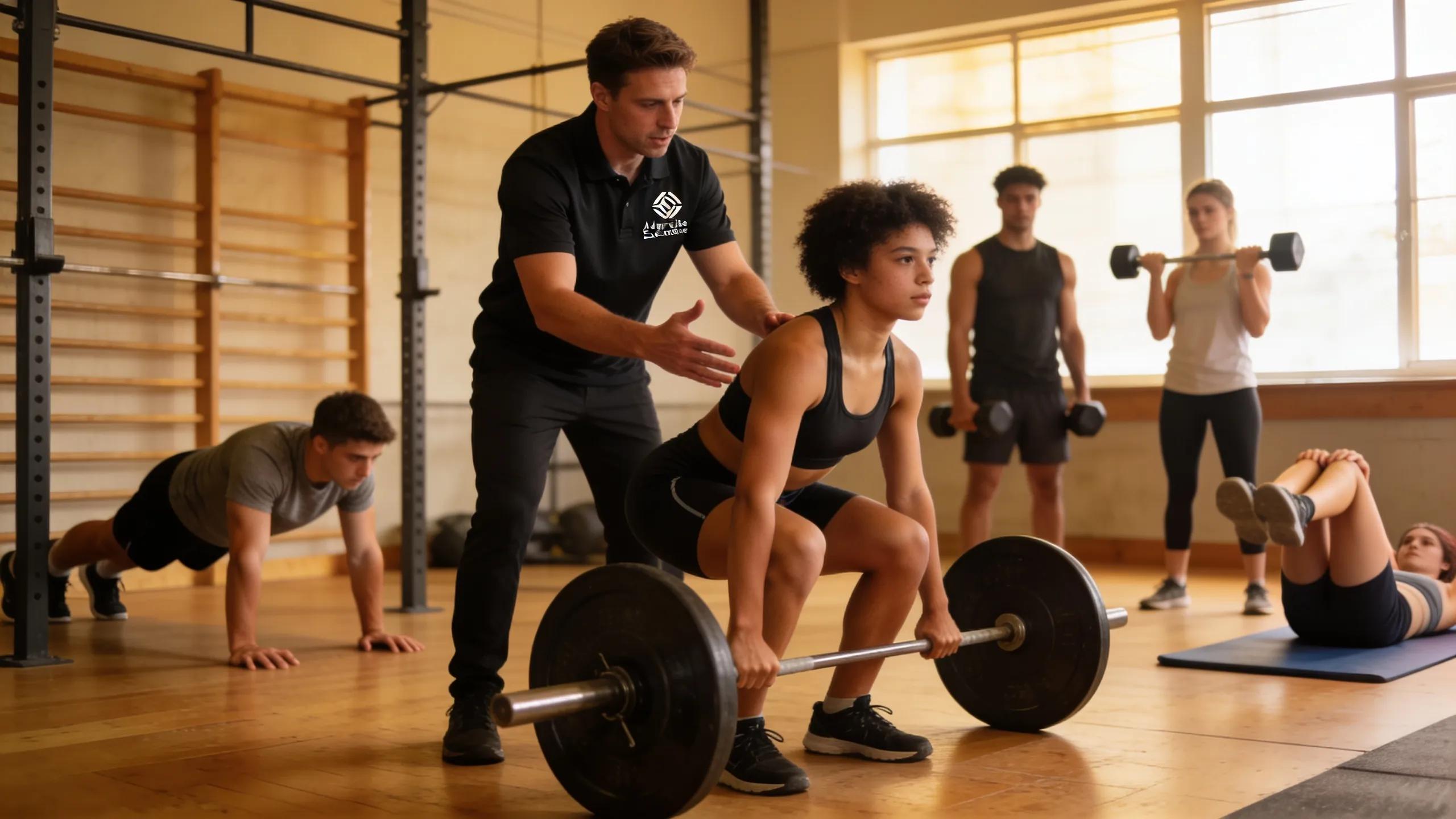
Training methods play a significant role in mitigating injuries among young athletes. Effective training strategies focus on building strength, enhancing flexibility, and promoting active recovery practices to sustain physical health.
Strength training, for instance, contributes significantly to injury prevention by reinforcing muscles, ligaments, and tendons. Flexibility training aids in preventing strains and increases the range of motion, essential for safe athletic performance. Meanwhile, the management of training loads helps prevent overuse injuries by monitoring the intensity and frequency of training sessions.
What Are the Key Risks and Common Injuries in Young Athletes?
Young athletes are susceptible to a range of risks including sprains, strains, fractures, and overuse injuries, all of which necessitate careful monitoring and proactive management. Understanding these risks empowers coaches, athletes, and parents to address potential factors leading to injuries.
Common problems often manifest as:
- Ankle Sprains: A prevalent injury in sports that includes jumping or sudden changes in direction.
- Knee Injuries: These can often involve ligaments such as ACL tears, primarily seen in higher-impact sports.
- Growth-Related Injuries: Conditions like Osgood-Schlatter disease occur as a result of repetitive stress on growth plates during times of accelerated growth.
Recognising these common injuries is crucial for timely interventions and effective prevention.
How Do Movement Dysfunctions Increase Injury Risk in Young Athletes?
Movement dysfunctions can significantly raise the risk of injuries in young athletes by hindering their functional movement patterns. These dysfunctions often stem from poor biomechanics, which can lead to compensatory movements, thereby increasing vulnerability to injury.
Common movement dysfunctions are:
- Imbalances in Muscle Strength: Weakness in specific muscle groups can lead to misalignments during physical activity.
- Poor Coordination: Lack of coordination affects balance, making athletes more prone to falls and injuries.
- Restricted Range of Motion: Limitations in joint flexibility can predispose athletes to strains and sprains.
Addressing these dysfunctions through targeted training and assessments is key to injury prevention.
This study further highlights how identifying and correcting muscle-tendon imbalances can significantly reduce injury risks in adolescent athletes.
Personalized Muscle-Tendon Assessment for Injury Prevention in Adolescent Athletes
1. Imbalances between muscle strength and tendon stiffness influence the mechanical demand on the tendon (i.e., tendon strain) and may increase tendon injury risk. The purpose of this study was to identify muscle–tendon imbalances and to promote a more balanced musculotendinous adaptation through a personalized assessment and exercise prescription concept in female adolescent handball athletes (13–16 years). A Personalized Muscle–Tendon Assessment and Exercise Prescription Concept Reduces Muscle–Tendon Imbalances in Female Adolescent Athletes, 2025
How Do Movement Assessments Like the AXIT Assessment and Body Scan Identify Injury Risks?
Movement assessments such as the AXIT Assessment and Body Scan provide vital insights into an athlete's physical capabilities and existing dysfunctions, informing tailored training strategies.
- Identifying Movement Patterns: They analyse how athletes move during specific tasks to detect any abnormalities.
- Quantifying Limitations: Body scans assess flexibility and alignment, revealing areas at risk for injury.
- Informing Coaching: The data obtained helps coaches develop effective, individualized training programs aimed at correcting identified issues.
For comprehensive movement evaluation, understanding the AXIT Assessment is crucial in identifying potential injury risks through detailed analysis of an athlete's functional capabilities.
What Is the AXIT Assessment and How Does It Evaluate Movement Dysfunction?
The AXIT Assessment is a comprehensive evaluation method that provides detailed feedback on an athlete’s movement quality. This assessment focuses on analysing neuromuscular control, proprioception, and functional strength to evaluate how these factors contribute to overall athletic performance and injury risk.
- Testing Methods: The AXIT Assessment employs various exercises designed to evaluate specific areas of movement quality.
- Evaluated Metrics: Key metrics include balance, coordination, and strength assessments critical in identifying risk factors.
- Training Implications: Results are used to create tailored intervention strategies to enhance overall performance and decrease injury likelihood.
By integrating the AXIT Assessment into training programs, athletes can benefit from a more holistic approach towards injury prevention.
How Does a Body Scan Help Detect Postural Imbalances in Young Athletes?
A Body Scan is an essential tool that aids in identifying postural imbalances that could lead to injuries. By assessing body composition and overall posture, athletes can gain insights into their physical health.
- Overview of the Body Scan Process: It utilizes advanced technology to capture comprehensive data about an athlete's body.
- Postural Metrics: The scan provides data on alignment, symmetry, and muscle balance, crucial for correct athletic performance.
- Performance Link: Identifying imbalances early on informs effective training modifications that will support better overall performance and reduce injury risks.
To gain a detailed understanding of an athlete's physical makeup and identify potential issues, a Body Scan offers critical insights into postural alignment and composition.
This insight is further supported by research demonstrating the effectiveness of comprehensive corrective exercise programs in improving alignment and movement patterns, which are often detected by body scans.
Corrective Exercise Programs for Posture and Movement Patterns in Athletes
1. Upper crossed syndrome (UCS) refers to the altered muscle activations and movement patterns in scapulae along with some abnormal alignment in the upper quarter, which may contribute to the dysfunction of the cervicothoracic and glenohumeral joints. The present study aimed to investigate the effectiveness of a comprehensive corrective exercise program (CCEP) and subsequent detraining on alignment, muscle activation, and movement pattern in men with the UCS. This randomized controlled trial included 24 men. The intervention group conducted CCEP (8 weeks), followed by four weeks of detraining and the control group maintained normal daily activities. Electromyography of selected muscles, scapular dyskinesis test, head, shoulder, and thoracic spine angle were measured at baseline, post-test, and follow-up. There were significant differences for Group x time interaction and also for within-group from pre-test to post-test and follow-up in all outcomes. Also, significant differences were observed in three outcomes at post-test and follow-up between the CCEP and control group in favour of the CCEP. In Conclusion, the present study demonstrates that the CCEP for individuals with UCS is feasible and effective, improving muscle activation imbalance, movement patterns, and alignment. Importantly, these improvements were maintained after four weeks of detraining, suggesting lasting neuromuscular re-training adaptations. Comprehensive corrective exercise program improves alignment, muscle activation and movement pattern of men with upper crossed syndrome: randomized …, 2020
What Are the Components of Personalized Injury Prevention Training Programs for Youth?
Developing personalized injury prevention training programs for young athletes involves understanding the specific needs and characteristics of each athlete.
Components include:
- Individual Assessments: Prioritising movement assessments to tailor programs according to unique profiles.
- Targeted Exercises: Including specific strength and flexibility exercises designed to address weaknesses or imbalances identified during assessments.
- Ongoing Evaluation: Regular check-ins and assessments encourage adjustments as athletes develop and their needs change.
This tailored approach ensures a dynamic training experience that best supports each young athlete's growth and safety.
How Do Strength, Mobility, and Flexibility Training Reduce Injury Risk?
Strength, mobility, and flexibility training are foundational components for minimising injury risk among young athletes. Each element contributes uniquely to overall athletic performance and safety.
- Strength Training: Enhances muscle resilience and joint stability, providing a solid foundation against injuries.
- Mobility Work: Ensures proper joint function, allowing for efficient movement dynamics.
- Flexibility Routines: This work helps maintain optimum range of motion, critical in reducing the chances of straining muscles or tendons.
By integrating these training types into young athletes' routines, their physical resilience improves, directly impacting injury prevention.
What Role Does Training Load Management Play in Preventing Overuse Injuries?
Effective training load management is vital in preventing overuse injuries, particularly in young athletes prone to fatigue and physical strain. Managing the intensity and frequency of training ensures that young athletes can improve their performance without exceeding their physical capabilities.
- Concept of Progressive Overload: Gradually increasing physical demand helps athletes adapt safely over time.
- Monitoring Training Loads: Keeping track of training sessions and ensuring adequate rest prevents overtraining, which can lead to burnout and injuries.
- Indicators of Safe Training Loads: Recognising signs of fatigue and adjustment needs can enhance athlete longevity and performance.
Implementing effective training load management practices is essential for maintaining physical health and performance quality.
Research emphasises the critical role of managing training loads to prevent overuse injuries, especially in sports characterized by repetitive, intense movements.
Load Management Strategies to Prevent Overuse Injuries in Young Athletes
1. Overuse injuries are one of the most common problems in competitive sports, particularly in basketball, which is characterized by repetitive and intense movements. This study aims to evaluate the effectiveness of load management strategies in preventing overuse injuries in athletes from the Redjay Bekasi Basketball Club. The research method used was quantitative with an observational analytical design and a correlational study approach. Internal loads were monitored using the session-RPE (s-RPE) method for six weeks, while overuse injury incidence was recorded through weekly injury surveillance. Spearman correlation analysis and logistic regression were used to examine the relationship between training load and injury risk. The results showed that weekly load spikes of more than 15–30% were significantly associated with an increased incidence of overuse injuries in the following week. Conversely, stable chronic loads appeared to have a protective effect against injury. T Load Management Strategy as an Effort to Prevent Overuse Injuries in Athletes of the Redjay Bekasi Basketball Club, 2025
How Can Nutrition and Recovery Strategies Support Injury Prevention in Young Athletes?
Nutrition and recovery strategies are critical components that support the physical and mental health of young athletes, playing a vital role in injury prevention.
- Nutritional Approaches: Consuming foods rich in proteins, vitamins, and minerals supports muscle repair and strength.
- Recovery Techniques: Implementing active recovery methods—like stretching and low-intensity exercises—enhances muscle recovery between training sessions.
- Hydration's Role: Proper hydration is essential for optimal muscle function and preventing cramps or fatigue.
By prioritising these elements, athletes can significantly reduce their risk of injuries while enhancing performance and recovery.
How Does Developing Mental Resilience Contribute to Reducing Sports Injuries in Juniors?
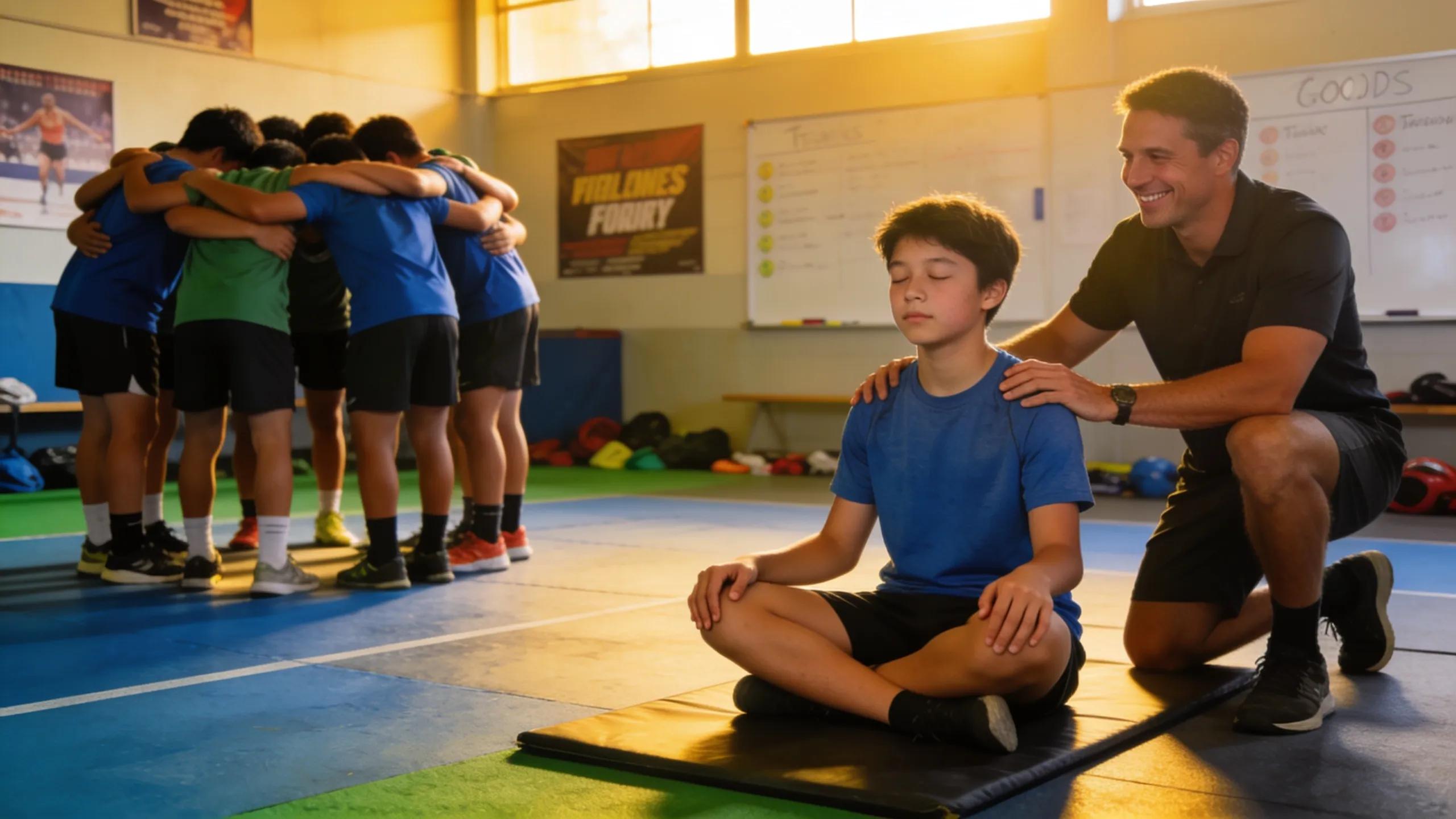
Mental resilience is a crucial aspect of athletic training, enhancing a player’s ability to cope with pressure and recover from setbacks, thereby reducing the likelihood of injuries.
- Definition of Mental Resilience: It refers to the capacity to maintain focus and motivation, particularly in challenging situations.
- Effects on Performance: Athletes with greater mental resilience tend to recover more quickly from disappointments or injuries.
- Techniques for Building Resilience: Strategies such as visualization, goal-setting, and self-reflection empower young athletes to develop a stronger mindset.
Establishing mental resilience equips athletes to handle the stresses of competition and training more effectively, leading to better overall performance.
What Mental Strategies Improve Motivation and Injury Avoidance in Young Athletes?
Motivation is a significant factor influencing injury prevention in young athletes. Simple mental strategies can greatly enhance their enthusiasm and drive while preserving their physical health.
- Goal-Setting for Motivation: Establishing clear, attainable goals can help focus athletes on positive outcomes, reinforcing commitment to training.
- Positive Self-Talk: Encouraging self-affirming statements can boost confidence and help alleviate anxiety.
- Visualization Techniques: Imagining successful performances prepares athletes mentally, fostering readiness and reducing injury risk.
By implementing these strategies, young athletes can maintain motivation and focus, ultimately lowering the chance of injury.
How Can Coaches and Parents Support Mental Resilience in Youth Training?
Coaches and parents play an integral role in fostering mental resilience in youth athletes. Their support helps create a nurturing environment conducive to growth and development.
- Importance of Positive Reinforcement: Providing encouragement and constructive feedback fosters a supportive atmosphere.
- Creating a Supportive Training Environment: Establishing an inclusive team culture encourages young athletes to flourish.
- Regular Feedback's Role: Consistent communication and assessment help keep athletes motivated and aware of their progress.
Through strategic support from coaches and parents, young athletes can cultivate the mental skills necessary for long-term success and health.
When Should Minor Injuries Be Managed and When Is Professional Help Necessary?
Identifying when to manage injuries at home versus when to seek professional help is critical for athletes.
- Recognising Minor Injuries: Understanding symptoms such as swelling or persistent pain is essential.
- Signs of Injuries Needing Professional Help: If injuries involve severe pain, swelling, or inability to bear weight, professional evaluation is necessary.
- Importance of Timely Action: Prompt treatment can often mitigate further damage and help with faster recovery.